Aluminium Cladding: What You Must Know
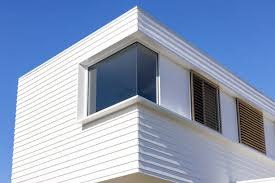
Aluminium has been used as an exterior façade cladding material for many years. Aluminium cladding materials, however, have changed dramatically in recent years, and the cladding products available on the Australian market that use this metal are vastly different from what they have traditionally been. Consumers need to understand some important material considerations and the distinct features of modern aluminium cladding, which is made from DtS non-combustible aluminium composite panels.
Key Insights
· Aluminium composite panels (ACPs) are used for exterior façade cladding. They are manufactured from two thin sheets of aluminium that are bonded to either side of a non-aluminium core.
· Modern ACPs are made using a mineral fibre core; this creates a non-combustible material that improves the fire safety properties and performance of a building.
· Deemed-to-Satisfy (DtS) non-combustible aluminium cladding is the gold standard ACP, and ALPOLIC™ NC/A1 consistently delivers in every metric, including but not limited to fire safety, thermal performance, sustainability, and visual appeal.
What Are Aluminium Composite Panels?
Aluminium composite panels are manufactured from two thin sheets of aluminium that are bonded to a non-aluminium core.
Until the last decade or so, the core material used in this type of cladding was often polyethylene (a synthetic/man-made plastic) or a similar medium. This has proven to be very hazardous, as it is highly combustible and toxic when it burns. In the presence of extreme heat or flame, it ignites and enables fire to spread remarkably quickly and easily.
In response to several high-profile accidents across the world where high-rise fires have occurred and spread quickly due to the presence of combustible cladding, its use is now restricted in Australia and many other countries.
Contemporary ACPs use a non-combustible mineral fibre core material. This material is formed by melting, spinning, and bonding raw materials such as mineral wool, molten glass, natural rock, or slag.
These aluminium composite panel sheets are:
· Durable and built to last
· DtS Non-combustible
· Insulating
· Lightweight
· Cost-efficient
· Easy to install
· Eco-friendly
· Corrosion-resistant
· Easy to maintain
· Aesthetically versatile and appealing
ALPOLIC™ NC/A1: The Superior Cladding Material Choice in Australia
Using the safest, most high-performing, and visually appealing cladding material is of utmost importance on modern Australian buildings, especially high-occupancy premises and high-rise towers. Deemed to Satisfy (DtS) non-combustible aluminium cladding is arguably the superior choice – and this means taking a closer look at ALPOLIC™ NC/A1.
This product is crafted from two thin layers of aluminium sandwiching a non-combustible mineral fibre core. Exclusive in Australia to Network Architectural, it has been tested extensively and is one of the safest aluminium façade material globally in terms of large-scale fire testing. It is lightweight, sustainable and recyclable, easy to process and shape, weather- and impact-resistant, and requires no costly maintenance in order to maintain its 20-year full manufacturer’s replacement warranty.
Final Thoughts…
Designed and engineered to withstand Australia’s harsh climate, the efficiency of ALPOLIC™ NC/A1 is extremely impressive, and it fully complies with Australia’s National Construction Code (NCC) regulations. There is no better cladding material option on the market for new builds and recladding projects.