
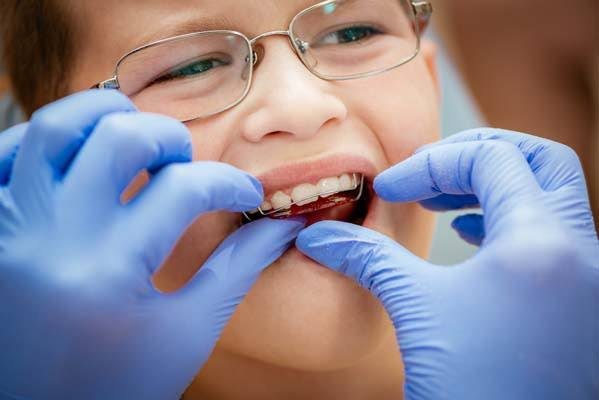
How Pediatric Dentists Track Growth to Time Orthodontic Treatment
You might be noticing small things that do not feel so small. A bite that looks off. Front teeth coming in crowded. A baby tooth hanging on longer than expected. And with that comes the question many parents carry quietly: are we too early, too late, or right on time? That uncertainty is stressful because orthodontic treatment is not only about straight teeth. A Mount Kisco children’s dentist can also help evaluate growth, comfort, speech, and long-term oral health.
The good news is that timing is not guesswork. Pediatric dentists and orthodontists watch how the jaws, teeth, and face develop over time, and they use that growth pattern to decide when treatment may help most. In simple terms, how pediatric dentists track growth to time orthodontic treatment comes down to regular exams, dental images, bite checks, and a close look at whether a child is in a stage where treatment can guide growth instead of only reacting to it later.
Why does timing matter so much in pediatric dentist and orthodontist care?
If you have ever been told to “wait and see,” that can feel frustrating. But sometimes waiting is the right move, and sometimes it is not. That is the tension. Some orthodontic issues improve as more permanent teeth come in, while others become harder to correct if a child misses a key growth window.
For example, a narrow upper jaw, a crossbite, or protruding front teeth may benefit from treatment while the bones are still growing. On the other hand, mild crowding may simply need monitoring until more adult teeth erupt. According to the American Academy of Pediatric Dentistry, ongoing evaluation of the developing dentition helps identify problems early and supports better timing for intervention. You can see that approach in the AAPD guidance on management of the developing dentition and occlusion.
So, where does that leave you as a parent? Usually in a place where regular follow-up matters more than one single visit. Growth changes the plan. A child who does not need treatment at age seven may need it at nine. Another child who looks crowded at eight may not need braces until all permanent teeth have arrived.
How do pediatric dentists monitor jaw growth and tooth development over time?
This is where skilled observation makes a real difference. A pediatric dentist and orthodontist will often look at how the upper and lower jaws fit together, whether teeth are erupting in the right order, whether space is being lost too early, and whether habits like thumb sucking or mouth breathing are affecting growth.
They may use X-rays, photos, study models, and routine clinical exams to compare changes from one visit to the next. That is part of what people mean when they talk about growth monitoring for orthodontic treatment. It is not just checking whether teeth are crooked. It is checking whether the face and jaws are developing in a way that supports a stable bite.
Training matters here too. Pediatric dental education includes growth and development, diagnosis, and management of the developing bite, as outlined in the CODA pediatric dentistry standards. That foundation helps providers spot patterns early rather than waiting until problems become more obvious.
What signs can mean early orthodontic treatment may help?
Some signs are easy to notice at home. Others are more subtle. You may see teeth that do not meet correctly, early or late tooth loss, crowding, speech concerns, biting the cheek, or front teeth that stick out and seem easier to injure. You may also notice a child breathing through the mouth, grinding, or shifting the jaw to close comfortably.
Research also supports the value of early assessment in certain cases. A review indexed on PubMed discusses how interceptive orthodontic care can reduce later problems for selected children, especially when treatment is matched to the child’s stage of development. You can read more in this review of interceptive orthodontic treatment.
Because of this, many families benefit from an early orthodontic screening, even if no braces are needed right away. That visit often gives you a roadmap, not a rushed commitment.
What does growth tracking actually look like from visit to visit?
Most children do not go from first concern to treatment overnight. Instead, they move through a series of checkups where the provider asks: has the bite changed, are the adult teeth erupting on schedule, is jaw growth balanced, and is there a narrow window where treatment could work better now than later?
| What is tracked | Why it matters | What it may lead to |
|---|---|---|
| Tooth eruption pattern | Shows whether permanent teeth are coming in on time and in the right position | Monitoring, space maintenance, or referral for orthodontic care |
| Jaw relationship | Helps identify underbite, overbite, crossbite, or asymmetry | Early intervention during active growth |
| Available space | Reveals crowding or space loss after early tooth loss | Observation, expansion, or guidance of eruption |
| Oral habits and function | Thumb sucking, tongue posture, and mouth breathing can affect development | Habit counseling or treatment planning |
This kind of orthodontic treatment timing can spare a child from treatment that is too early to help or too late to guide growth. It can also help families plan for cost and scheduling with fewer surprises.
What can you do right now if you are worried about your child’s bite?
1. Start with a focused evaluation. If you are seeing crowding, a crossbite, or front teeth that seem prominent, ask for an exam that looks at growth and bite development, not just cavities and cleanings. Even if treatment is not needed now, you will know what the provider is watching.
2. Keep regular follow-up visits. Growth changes quickly in childhood. A plan made two years ago may not fit today. Consistent checkups give your child the best chance of being treated during the most useful window, if treatment becomes necessary.
3. Ask clear timing questions. You do not need perfect dental language. Ask, “What are you tracking?” “What would make you treat now instead of later?” and “What changes should I watch for at home?” Those questions often bring real clarity.
How do you move forward without feeling rushed?
If you have been worried that you might miss the right moment, take a breath. Pediatric dental and orthodontic care is built around watching growth, not forcing decisions before they make sense. A thoughtful provider looks for patterns, not panic. They track development, explain what they see, and help you understand whether your child needs treatment now, later, or simply careful monitoring.
If something about your child’s bite or dental development has been bothering you, trust that instinct and schedule an evaluation. Sometimes the next best step is treatment. Sometimes it is watchful follow-up. Either way, you and your child deserve a plan that fits the way they are growing.
For more guidance, the AAPD also offers a second reference on developing dentition and occlusion that explains why early monitoring matters.