
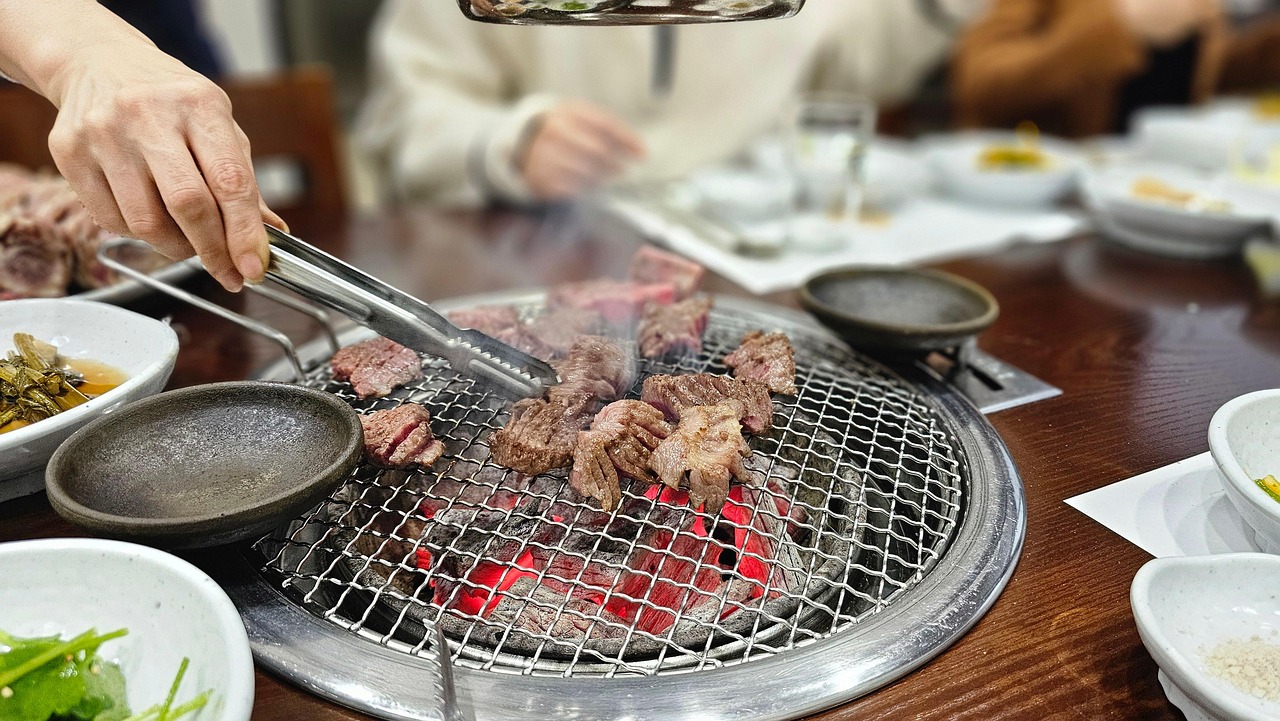
From Shared Plates to Shared Songs: Planning an Evening in Gangnam, South Korea
A good dinner does not always need a second act. Sometimes the conversation reaches a natural finish over the last cup of tea. On other evenings, a group would like to stay together but change the setting. For visitors to Seoul, South Korea, private karaoke can be one way to make that transition, provided everyone understands the kind of venue being considered.
Gangnam, a district of Seoul, offers a useful setting for thinking about this combination of food, music and group hospitality. An evening can move from a restaurant table to a reserved singing room, with lighter refreshments taking the place of another full meal. The appeal is the change of pace: people who have spent dinner talking can choose songs, listen to friends or simply enjoy being together in a different space.
Give dinner and the next stop different purposes
Start by deciding where the main meal belongs. A restaurant is usually the sensible choice when the group wants a substantial dinner, a particular cuisine or careful attention to dietary needs. A karaoke venue may offer food, but its menu and service arrangement can be designed around an evening of entertainment rather than a restaurant-style meal.
That distinction helps with both timing and ordering. If everyone has already eaten, a second heavy spread may be unnecessary. A few items for sharing can be enough. If guests are arriving hungry, however, a photograph of a fruit platter is not a substitute for checking whether the venue can provide the meal they expect.
Leave some flexibility between reservations. A dinner that runs a little longer should not force the group to abandon dessert or hurry through a conversation. Choosing a realistic start time for the next activity is often more valuable than packing several stops into one night.
Understand the room before choosing the menu
Private karaoke is different from singing at an open microphone in a public bar. The group occupies a separate room, usually with seating, a screen and microphones. This can make song selection and conversation more personal, but the category covers businesses with very different prices and services.
A simple noraebang, often translated as a singing room, is not necessarily the same as an adult nightlife lounge with drinks and room service. Coin-operated booths offer another format again. Visitors should identify the type of business first, then discuss what is included. The word karaoke alone does not describe the whole experience.
One concrete example is 강남 달토, which its operator presents as Gangnam Dalto or Running Rabbit. Its website describes a private-room karaoke venue in the basement levels of Samjung Hotel on Bongeunsa-ro, Gangnam-gu, Seoul. It is an adult nightlife establishment with drinks and service, rather than a family singing-room recommendation. The room gallery shows lounge seating, tables and karaoke equipment in several different designs.
Think of refreshments as part of the rhythm
In Korean dining vocabulary, anju refers to food served with alcoholic drinks. The term can cover a wide range of dishes and snacks; it is not a fixed tasting menu. For a visitor, the useful idea is that food may accompany a longer social occasion, with people taking a little at a time instead of sitting down for another complete dinner.
Dalto’s published menu presentation includes fruit, cheese, dried snacks and hot dishes. These are operator-provided descriptions, not a firsthand tasting review. They offer a starting point for asking what is currently available, what a package includes and which items cost extra. The group’s preferences should guide the actual order.
Consider variety in practical terms. A group might want something fresh, something savory and a warm item, but there is no need to order every category. Ask about portion sizes before combining dishes. A smaller, well-chosen order can suit an evening better than a crowded table that leaves little space for glasses or microphones.
Sharing works best when preferences are clear
A shared table can make ordering sociable, but it also requires attention to individual needs. Ask about allergies, dietary restrictions and strong preferences before placing the order. If a dish is unfamiliar, request an explanation of its ingredients rather than guessing from a translated name or a photograph.
Food and drink choices do not have to be identical across the group. Confirm suitable options for anyone who does not want alcohol, and avoid making drinking a condition of joining the evening. People may be traveling early the next day, taking a break from alcohol or simply choosing something else. A thoughtful host makes those preferences easy to express.
The same applies to singing. Some guests will enjoy taking the microphone; others may prefer listening. Neither food nor music needs to become a test of participation. Letting people contribute in their own way often produces a more relaxed gathering than trying to keep everyone involved every minute.
Read the whole bill, not one attractive number
A private karaoke booking can involve several components: a basic package, a room charge, per-person service and optional additions. Dalto’s website presents a calculator that separates components of the estimate. The important lesson for visitors is to ask how those pieces apply to their own group and planned duration.
Request a clear estimate before confirming. Establish what food and drinks are included, whether any mandatory charges remain outside the quoted amount and how extensions or extra orders are handled. If the group intends to split the bill, agree on that arrangement before arrival. A host covering the evening should also communicate a spending limit to whoever will approve additional items.
This planning does not need to dominate the night. A short conversation beforehand can keep the table free of awkward calculations later. It also helps the group compare venues on the same basis instead of comparing a room-only price with a more inclusive package.
Use music to change the pace
After dinner, music offers a different way to share attention. A familiar chorus can bring people into the activity without requiring a long introduction. Alternate choices so the evening reflects more than one person’s playlist, and check the available catalog if the group wants songs in particular languages.
Korean popular music may be an entry point for international visitors, but familiarity with K-pop is not a requirement for enjoying karaoke. Nor should one group’s singing night be treated as a complete explanation of Korean culture. Some people enjoy a later stop after dinner; others prefer to finish with the meal. Present the plan as an invitation, not a cultural obligation.
Make the arrival as simple as the invitation
Gangnam is a district, not a single meeting point. Save the exact building address, Korean venue name, floor and entrance instructions. A business in a basement may use a doorway that is different from the building’s main lobby. Confirm the route with the operator if the instructions are unclear, especially when guests arrive separately.
For the venue discussed here, gangnamdalto.net provides the operator’s room information, location guidance and reservation contacts. Consult those current details to confirm availability and arrangements rather than relying on an old price or an image shared without context. If accessibility is important, ask about the actual entrance and route to the room.
Also read: Best Restaurants in La Jolla for Sharing Plates
Finally, plan the journey back to each guest’s accommodation. Keep the return address available and leave room for an earlier departure. The best version of an evening like this is not necessarily the longest. It is one in which the meal, refreshments, music and setting fit the people attending, with enough clarity beforehand for everyone to relax once they arrive.


