

Effortless Time Tracking Solutions for Small Businesses
Time tracking has become an essential component of successful small business operations. When employees arrive late, leave early, or misreport their hours, it directly impacts your bottom line and creates unnecessary administrative burdens. For small business owners already juggling multiple responsibilities, manually monitoring attendance and calculating payroll can consume valuable hours each week that could be spent growing the business.
Many small businesses struggle with outdated methods like paper timesheets or punch cards, which are prone to errors, buddy punching, and time theft. These inefficiencies not only cost money but also create tension between management and staff when discrepancies arise. The challenge lies in finding a solution that’s both affordable and easy to implement without requiring extensive technical expertise or disrupting daily operations.
Modern time tracking solutions offer small businesses a way to automate attendance monitoring, eliminate payroll errors, and gain valuable insights into workforce productivity. This article explores practical time tracking options designed specifically for small business needs, helping you choose and implement a system that saves time, reduces costs, and improves accuracy.
Introduction to Time Tracking Solutions
Time tracking solutions have evolved from simple punch clocks into sophisticated digital systems that transform how small businesses manage their workforce. At its core, effective time tracking provides accurate records of when employees start work, take breaks, and clock out, creating a reliable foundation for payroll processing and labor cost analysis. For small businesses operating on tight margins, even minor discrepancies in time reporting can accumulate into significant financial losses over months and years.
Beyond basic attendance monitoring, modern time tracking systems reveal patterns in workforce productivity that would otherwise remain invisible. Business owners can identify which projects consume the most labor hours, which times of day see peak efficiency, and where scheduling adjustments might reduce overtime costs. This data-driven approach replaces guesswork with concrete information, enabling smarter decisions about staffing levels and resource allocation. When employees know their time is being tracked accurately and fairly, accountability naturally increases while disputes over hours worked virtually disappear. The right time tracking solution doesn’t just record hours—it creates transparency that benefits both employers and employees, streamlining operations while building trust throughout the organization.
Types of Time Tracking Solutions
Small businesses can choose from several time tracking methods, each offering distinct advantages depending on workforce size, budget, and operational needs. WiFi time clocks allow employees to clock in and out using their smartphones or tablets when connected to the business’s network, preventing off-site time theft while maintaining flexibility for mobile workers. These systems automatically capture timestamps and GPS coordinates, creating an audit trail that eliminates disputes about employee locations during work hours. The setup requires minimal hardware investment since most employees already own compatible devices.
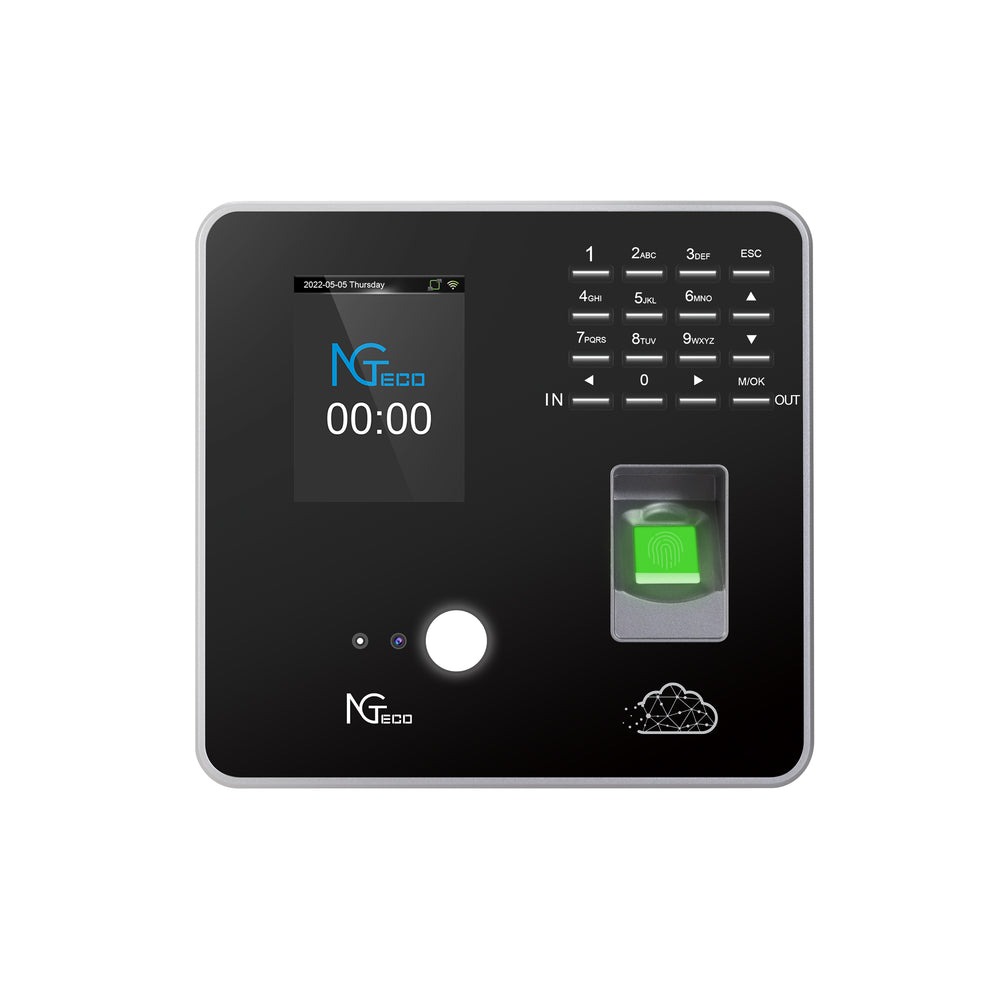
Biometric time clocks use fingerprint or facial recognition technology to verify employee identity, completely eliminating buddy punching where one worker clocks in for another. These systems create an undeniable record of who was present at specific times, though they require upfront hardware investment and careful attention to privacy regulations. Automated time tracking solutions integrate directly with project management software, silently recording hours as employees work on tasks without requiring manual clock-ins. This approach works particularly well for knowledge workers and remote teams where traditional clocking methods feel intrusive or impractical. Some businesses combine multiple methods—using biometric systems for on-site staff while deploying WiFi tracking for field workers—creating a comprehensive solution that addresses different employee situations while maintaining consistent data collection across the entire organization.
Choosing the Right Time Tracking Solution
Selecting the appropriate time tracking solution starts with honestly assessing your business’s specific circumstances rather than chasing the most feature-rich option. Consider your workforce composition—remote employees need different tracking capabilities than on-site staff, while businesses with both require hybrid solutions. Budget constraints matter, but focus on total cost of ownership including setup time, training requirements, and ongoing maintenance rather than just initial purchase price. A system that costs slightly more but requires minimal IT support often proves more economical than a cheaper alternative demanding constant troubleshooting.
Evaluate how well each solution integrates with your existing payroll and accounting software, since seamless data transfer eliminates double-entry work and reduces errors. Test user interfaces with actual employees before committing, as the most powerful system becomes worthless if workers find it confusing or cumbersome. Scalability deserves attention even for very small businesses—choose solutions that can accommodate growth without requiring complete replacement as you add employees or locations. Companies like NGTeco offer work time clock solutions specifically designed for small business scalability, allowing operations to start with basic functionality and expand features as needs evolve. The right time tracking solution feels almost invisible in daily operations while delivering reliable data exactly when needed.
Features to Look for in Time Tracking Software
Effective time tracking software should offer intuitive interfaces that employees can master within minutes, not days. Look for systems with clear clock-in buttons, visible timers showing current work duration, and straightforward processes for requesting time-off or reporting breaks. If employees need to consult manuals or contact support regularly, the software creates more problems than it solves. Mobile accessibility has become essential rather than optional, allowing workers to track time from any location while managers review reports on the go.
Integration capabilities determine whether your time tracking system simplifies operations or creates additional work. The software should export data directly to your payroll provider in compatible formats, eliminating manual data entry and the errors that inevitably accompany it. Real-time reporting features let managers spot attendance issues or overtime patterns as they develop rather than discovering problems weeks later during payroll processing. Security protections matter significantly since time tracking systems contain sensitive employee information—verify that any solution uses encryption for data transmission and storage while offering role-based access controls that limit who can view or modify records. Cloud-based systems provide automatic backups and updates without requiring IT expertise, though some businesses prefer on-premise solutions for greater control over their data.
Implementation and Integration
Begin implementation by designating a project lead who will coordinate the rollout and serve as the primary contact with your time tracking vendor. Schedule the installation during a slower business period to minimize disruption, and plan for at least two weeks of parallel operation where employees use both the new system and your old method to catch any data discrepancies before fully committing. Configure the software with your specific business rules—break requirements, overtime thresholds, department codes, and pay rates—before introducing it to employees, ensuring the system reflects your actual policies rather than generic defaults.
Conduct hands-on training sessions in small groups where employees can practice clocking in, requesting time off, and viewing their hours while trainers answer questions immediately. Create simple quick-reference guides with screenshots showing the most common tasks, and post these near time clocks or email them to remote workers. Assign department supervisors as secondary support resources who can handle basic questions without escalating every issue to management. Integration with existing payroll systems typically requires working with both your time tracking vendor and payroll provider to map data fields correctly—employee IDs, department codes, and pay categories must align perfectly between systems to prevent export errors.
Test the integration thoroughly by running a complete pay period through the new system while still processing payroll through your old method, comparing results to identify any calculation differences or missing data. Address employee concerns promptly during the first month, as early frustrations can poison attitudes toward the system permanently. Monitor adoption rates and accuracy metrics weekly, providing additional training to individuals who struggle with the technology. Most businesses achieve full integration within four to six weeks, at which point the time tracking system operates seamlessly in the background, automatically feeding clean data into payroll without manual intervention.
Benefits of Time Tracking for Small Businesses
Accurate time tracking eliminates payroll errors that cost small businesses thousands of dollars annually through overpayments, miscalculated overtime, and administrative time spent correcting mistakes. Automated systems calculate hours worked with precision, applying the correct pay rates and overtime rules without human error. This accuracy extends beyond payroll—reliable time data helps businesses invoice clients correctly for billable hours, ensuring no revenue slips through the cracks due to forgotten or underreported work time.
Project management improves dramatically when businesses can see exactly how much time different tasks and clients actually consume. Managers identify which projects run over budget, which team members handle specific work types most efficiently, and where processes need streamlining. This visibility enables better project estimates for future work, preventing the chronic underbidding that erodes profitability. Employee accountability strengthens naturally when workers know their time is tracked transparently and consistently. Tardiness decreases, extended breaks become rare, and productivity often increases simply because employees recognize their work patterns are visible. The data also protects employees from unfair accusations, creating documentation that resolves disputes quickly and fairly. Small businesses using time tracking systems typically recover their investment within months through reduced labor costs, eliminated time theft, and decreased payroll processing time, while gaining management insights that drive continuous operational improvements.
Case Studies and Testimonials
A family-owned landscaping company in Oregon struggled with chronic payroll disputes until implementing a GPS-enabled time tracking system for their twelve-person crew. Previously, handwritten timesheets often showed discrepancies between what employees reported and when supervisors remembered seeing them arrive at job sites. The new system automatically captured clock-ins with location verification, eliminating arguments entirely. Within three months, the owner discovered they had been overpaying approximately $800 monthly due to rounded-up start times and extended lunch breaks. More importantly, crew morale improved because everyone knew the system treated them identically, removing favoritism concerns that had plagued the previous manual process.
A boutique marketing agency in Austin reduced their payroll processing time from four hours to thirty minutes after switching to automated time tracking integrated with their project management software. The office manager had spent every other Friday afternoon reconciling timesheets, chasing missing entries, and manually calculating billable hours across eight employees working on multiple client projects simultaneously. Their new system captured time automatically as staff logged work against specific projects, generating reports that fed directly into both payroll and client invoicing. The agency owner noted that accurate time data revealed two clients consistently required more hours than initially estimated, leading to renegotiated contracts that increased annual revenue by $45,000.
A small manufacturing shop in Pennsylvania eliminated buddy punching completely after installing fingerprint time clocks at their facility entrance. The owner had suspected certain employees were clocking in for absent coworkers but lacked proof until the biometric system made such practices impossible. Overtime costs dropped eighteen percent in the first quarter after implementation, not because the owner cracked down on overtime but because accurate tracking revealed the actual hours worked rather than inflated reports. One long-term employee admitted the transparency actually reduced his stress: “I used to worry about whether my supervisor believed my hours. Now the system shows exactly when I was here, so there’s nothing to argue about.”
Common Challenges and Solutions
Employee resistance often emerges as the primary obstacle when introducing time tracking systems, particularly among staff who perceive monitoring as a sign of distrust. Address this challenge directly by involving employees in the selection process, explaining how accurate time tracking protects them from payroll errors and disputed hours. Emphasize that the system treats everyone equally and eliminates favoritism in attendance enforcement. When workers understand the benefits apply to them personally, resistance typically diminishes quickly.
Technical difficulties during initial setup frustrate both managers and employees, especially in businesses without dedicated IT support. Solve this by choosing vendors offering comprehensive onboarding assistance and responsive customer support during the first month. Schedule implementation when workload is lighter, allowing time to troubleshoot issues without pressure. Keep your old system running temporarily as a backup until the new solution proves reliable. Privacy concerns arise particularly with biometric or GPS tracking, requiring clear policies about data usage and retention. Create written guidelines explaining what information the system collects, who can access it, and how long records are stored. Ensure compliance with local labor laws regarding employee monitoring and data protection. For remote workers struggling with mobile apps or connectivity issues, provide alternative clock-in methods like web portals or phone-based systems. Regular check-ins during the first sixty days help identify persistent problems before they become entrenched frustrations that undermine the entire system.
Transforming Small Business Operations Through Time Tracking
Implementing an effective time tracking solution transforms small business operations by eliminating payroll errors, reducing labor costs, and providing actionable insights into workforce productivity. The right system—whether WiFi-enabled, biometric, or automated—depends on your specific workforce composition, budget constraints, and integration requirements with existing business tools. Successful implementation requires careful planning, thorough employee training, and patience during the transition period, but the investment typically pays for itself within months through recovered labor costs and eliminated administrative inefficiencies.
Small businesses that embrace time tracking gain competitive advantages through better project estimates, accurate client billing, and data-driven staffing decisions that would be impossible with manual methods. The technology has matured to the point where even the smallest operations can access affordable, user-friendly solutions that require minimal technical expertise to maintain. As you evaluate options, prioritize systems that balance functionality with simplicity, ensuring employees can adopt the technology quickly while managers gain the visibility needed to optimize operations. Time tracking is no longer a luxury reserved for large corporations—it’s an essential tool that levels the playing field, allowing small businesses to operate with the efficiency and precision that drives sustainable growth.