The Science of Color in Flooring and Its Influence on Mood
Flooring is more than just a functional element of any space, it sets the tone, defines ambiance, and even subtly affects the way we feel. From residential interiors to commercial environments, the color of your flooring plays a crucial role in shaping mood, productivity, and comfort. Each shade evokes a different emotion, making flooring color a powerful tool in shaping interior experience.
Understanding the psychology behind flooring colors allows property owners, designers, and business professionals to make informed decisions that go beyond aesthetics. By strategically selecting colors, you can create spaces that inspire energy, calmness, or focus, transforming the way people experience a room.
How Colors Impact Emotion
Color psychology is a well-studied field that explains how different hues can trigger specific emotional responses. In flooring, these effects can be magnified because floors cover large areas and are visually dominant in any room.
- Warm Colors: Shades like red, terracotta, and warm browns tend to evoke energy and excitement. They work well in dynamic spaces such as gyms, creative studios, or retail environments, where stimulation and activity are desired.
- Cool Colors: Blues, greens, and grays promote calmness and relaxation. These are ideal for bedrooms, offices, or healthcare facilities where reducing stress and enhancing focus is critical.
- Neutral Tones: Beiges, taupes, and soft grays offer a balanced backdrop. They are versatile, making them perfect for high-traffic areas or spaces that aim to highlight furniture and decor rather than the flooring itself.
A study from the Color Marketing Group found that individuals in spaces with warm-toned flooring reported a 12% increase in energy levels, while those in cooler-toned rooms felt 9% more relaxed and focused. Such findings highlight why flooring color should be considered a strategic design decision, not just a decorative choice.
Matching Flooring Colors with Lighting
Lighting conditions dramatically influence how flooring colors are perceived. Natural sunlight can intensify colors, whereas artificial light can subtly shift tones.
- Direct Sunlight: Amplifies brightness, making lighter shades feel more airy and open.
- LED or Fluorescent Lighting: Can sometimes cool down warm tones, making browns appear more muted.
- Layered Lighting: Combining ambient, task, and accent lighting ensures that flooring colors retain their intended effect throughout the day.
For example, when choosing a solid color epoxy floor in Conroe, TX, it’s essential to consider how natural and artificial light interacts with the epoxy’s finish. Lighter solid colors reflect light, brightening interiors, while darker tones provide depth and elegance, especially in industrial or commercial settings.
Flooring Material and Color Retention
Different flooring materials respond uniquely to color and light over time. Understanding material properties ensures longevity and sustained visual impact:
- Epoxy Flooring: Offers excellent color retention and durability. Epoxy resists fading, scratches, and chemical exposure, making it ideal for garages, warehouses, and commercial spaces. Competitors like Rust-Oleum and ArmorPoxy also offer epoxy systems, but Procoat Epoxy Flooring stands out with tailored color solutions and expert installation.
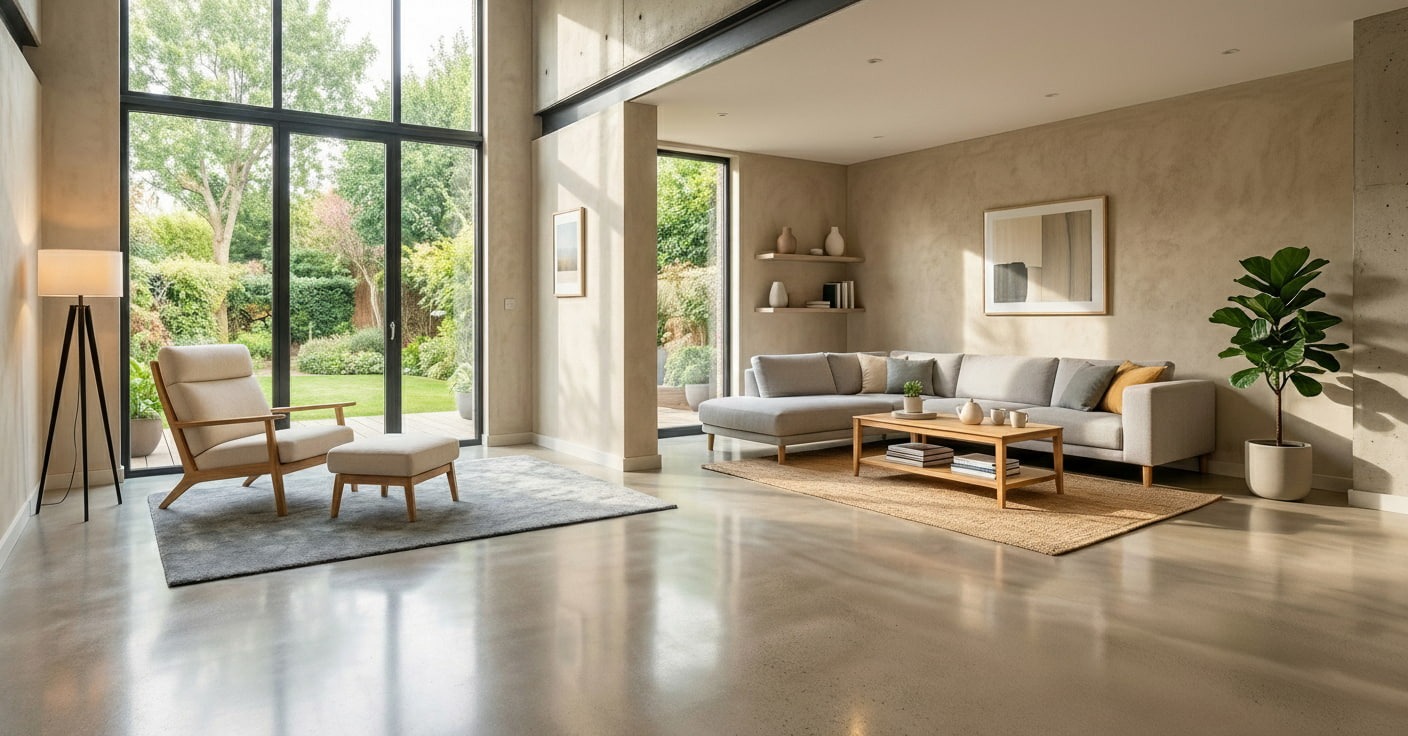
- Polished Concrete: While inherently neutral, it can be stained or dyed to create a customized palette. Polished concrete is ideal for modern offices, restaurants, or showrooms seeking a sleek, reflective surface.
Maintenance plays a role, too. For example, a high-traffic area with a dark-colored floor may show dust or scratches more readily than a lighter-colored floor. Regular cleaning and protective coatings help maintain both the aesthetic and emotional impact of the flooring.
Practical Tips for Choosing Flooring Colors
Selecting the right flooring color isn’t just about personal preference; it should complement the intended function and mood of the space. Here are practical tips:
- Define the Purpose: Consider whether the room is meant to energize, calm, or remain neutral.
- Analyze the Existing Palette: Flooring should harmonize with walls, furniture, and decor. A mismatch can create visual dissonance and reduce comfort.
- Test Samples in Situ: View color samples at different times of day to account for lighting variations.
- Consider Texture and Finish: Glossy finishes can amplify color intensity, while matte finishes soften the visual effect.
- Plan for Longevity: High-traffic or commercial spaces may benefit from medium-toned flooring that balances color retention and practicality.
Using these guidelines, designers can create spaces that support both functionality and mood.
Comparing Flooring Options: Epoxy vs Polished Concrete
Both epoxy and polished concrete offer distinct advantages in terms of aesthetics and emotional influence:
| Feature | Epoxy Flooring | Polished Concrete |
| Color Range | Wide, including solid, metallic, and custom blends | Neutral shades can be dyed or stained |
| Durability | Highly resistant to chemicals, abrasions, and wear | Extremely strong but may require sealing to prevent staining |
| Mood Influence | Can create vibrant, energetic spaces | Promotes calm, modern, and minimalist environments |
| Maintenance | Easy to clean and maintain | Requires periodic polishing and sealing |
For businesses and homeowners alike, selecting between polished concrete in Conroe, TX, and epoxy floors should align with both the desired aesthetic and the psychological impact on occupants.
Beyond Color: Integrating Flooring into Overall Design
While color is critical, integrating it with other design elements ensures a cohesive experience:
- Furniture Choices: Flooring should provide a foundation that complements furniture without overpowering it.
- Wall and Ceiling Colors: Consider contrasts or harmonies with flooring colors to influence mood.
- Decor and Accessories: Area rugs, mats, and accent pieces can enhance or temper the emotional effect of flooring.
Professional interior designers often use these subtle interactions to craft spaces that feel inviting, energizing, or calming as needed.
Conclusion
The influence of flooring color on mood is undeniable. By understanding color psychology, material properties, and lighting interactions, property owners and designers can make choices that go far beyond aesthetics, affecting productivity, relaxation, and overall satisfaction. From vibrant epoxy systems to sleek polished concrete finishes, the right flooring can transform any space into an environment that supports both purpose and emotion.
To explore a range of expertly installed flooring options that combine color science with lasting quality, visit ProCoat Epoxy Flooring and discover solutions tailored for your space.