
Effective Strategies to Minimize Pest Problems at Home
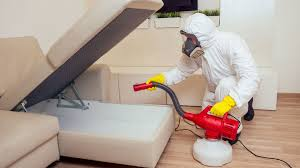
Table of Contents
- Seal Entry Points
- Maintain Cleanliness
- Manage Moisture
- Store Food Properly
- Declutter Living Spaces
- Use Natural Repellents
- Regular Home Maintenance
- When to Seek Professional Help
Household pests can quickly become more than just a nuisance—they can threaten your health, safety, and comfort. While dealing with these intruders may seem daunting, taking a proactive approach with the right strategies can dramatically reduce the frequency and severity of pest problems. For homeowners, consistent prevention is often the best defense, and consulting a trusted pest control company in Delaware can greatly enhance your efforts to stay pest-free.
A thorough prevention plan not only deters invaders but also saves time and stress in the long run. From regularly cleaning up food spills to addressing even the smallest cracks around your home, every step matters. By understanding where pests are likely to enter and removing attractants, you create an inhospitable environment for these unwelcome guests. Maintaining vigilance and consistency is key—home pests thrive in places where they find easy food sources, abundant moisture, and cluttered sites to hide.
Seal Entry Points
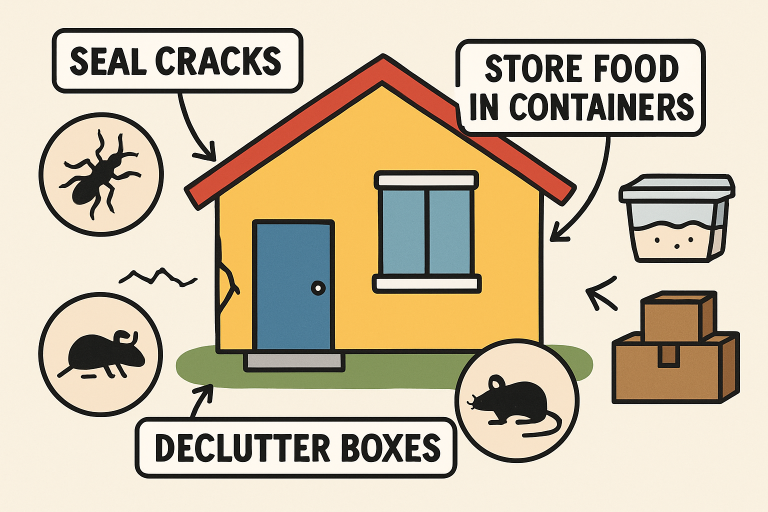
Pests exploit even the tiniest cracks and crevices to enter your living space. According to the EPA, one of the most effective ways to prevent infestations is to carefully inspect the exterior of your home — foundations, walls, windows, and doors — for any openings. Pay special attention to areas where utility lines, vents, or pipes penetrate the structure, as these spots are common entry routes for insects and rodents.
Seal these gaps with high-quality caulk, expanding foam, or weather stripping to block pest access. Installing door sweeps and repairing or replacing damaged window screens can further strengthen your home’s frontline defense, drastically reducing entry opportunities for ants, cockroaches, and mice.
Maintain Cleanliness
Maintaining a clean home is essential for minimizing pest problems. Most pests are drawn to food crumbs and residue, so regular cleaning is crucial, particularly in the kitchen and dining areas. Wipe down surfaces to eliminate sticky substances, sweep and mop floors frequently, and immediately dispose of garbage in sealed containers. Be especially mindful of appliances, as food particles can accumulate behind or underneath them. Studies show that eliminating food sources can reduce the risk of a pest infestation by up to 70%.
Manage Moisture
Excess moisture is a major attractant for many common pests, including termites, cockroaches, and silverfish. Regularly check under sinks, around appliances, and in bathrooms and basements for leaky pipes or dripping faucets. Use dehumidifiers and ensure adequate ventilation, especially in notoriously damp areas, to keep your home dry. Consider installing a sump pump if your basement is prone to flooding. Reducing moisture not only makes your home less attractive to pests but also improves overall indoor air quality.
Store Food Properly
Food left unsecured is an open invitation for all kinds of pests. Always keep pantry staples and pet food in airtight containers, and refrigerate perishable items promptly. Never leave pet food out overnight, and clean up spills quickly. Crumbs, sugary snacks, and even fruit left on counters can lead to ant trails and fruit fly infestations. This increases not just the risk of pests but can also lead to contaminated food products for your family and pets to unwittingly consume.
Declutter Living Spaces
Clutter around your home provides hiding places and ideal nesting grounds for pests like cockroaches, spiders, and rodents. Organize your storage spaces, remove unused items, and avoid letting piles of laundry or paper accumulate. Cardboard boxes and paper bags are attractive to insects and rodents for breeding—switching to plastic storage bins is a simple upgrade that can make a big difference. Regularly purging and tidying up reduces the number of potential hiding or breeding sites.
Use Natural Repellents
Many homeowners seek natural solutions to repel pests, and several options are effective against specific invaders. Cotton balls soaked in essential oils—such as peppermint, lavender, or eucalyptus—can help keep spiders and insects away from window sills and doorways. For mosquitoes, consider planting natural deterrents like lavender, citronella, basil, marigolds, and rosemary near entry points. These fragrant plants emit scents that are unpleasant to mosquitoes and serve as natural, eco-friendly barriers.
Regular Home Maintenance
Routine maintenance should be an integral part of your pest prevention strategy. Prune trees and shrubs to prevent branches from touching your home’s exterior, as these can serve as “bridges” for ants and other pests. Regularly clean gutters and downspouts to prevent standing water, another major attractant for pests. Store firewood and mulch away from the home’s foundation, and move any debris that could shelter rodents or termites to a distance. A well-maintained exterior not only looks tidy but also reduces the likelihood of infestations.
When to Seek Professional Help
Even with consistent preventive measures such as sealing gaps, maintaining cleanliness, and removing standing water, certain pests can still become firmly established and hard to eliminate without professional help. If an infestation persists or worsens, contacting a qualified pest management expert is a sensible option. These specialists rely on integrated pest management techniques that focus on resolving pest issues while minimizing potential harm to people and the environment. They can spot concerns you may not have noticed and offer personalized strategies that provide lasting results. Helpful resources can also provide useful guidance, and according to Consumer Reports, many households achieve better outcomes by combining expert services with ongoing preventive habits.
Regularly checking your home lets you catch early signs of pest activity before it becomes a bigger issue. Maintaining consistent cleanliness and upkeep further lowers the likelihood of pests returning.
By following these practical tips and staying vigilant, you’ll create an environment that’s far less inviting to pests. Consistency is crucial—combine smart prevention with regular maintenance to enjoy a safer, healthier, and more comfortable home.