
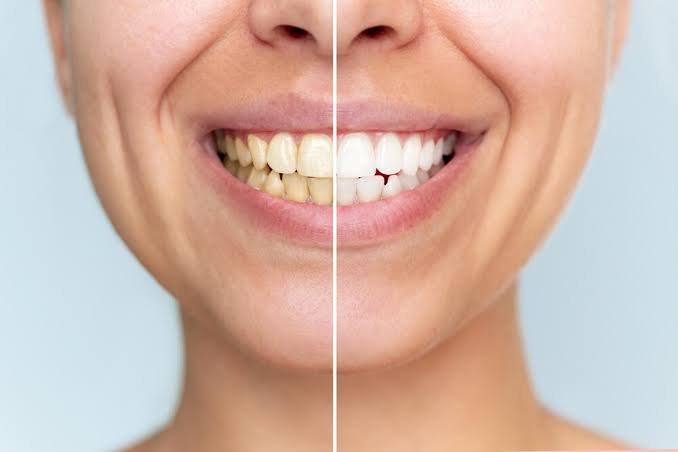
How Dentists Address Staining Caused By Medications Or Developmental Changes
You might have noticed the change slowly, a tooth that looks darker than the rest, faint bands that never seem to brush away, or stains that make your smile feel less like your own. That can be frustrating, especially when you take good care of your teeth and still feel like something is off. At Dental Touch family dentist in Chicago, we understand that when discoloration is tied to medication use or changes that happened while teeth were developing, it often feels even more confusing, because the cause is not always something you can control.
The good news is that How Dentists Address Staining Caused By Medications Or Developmental Changes is not a mystery to a trained family and cosmetic dentist. The first step is figuring out whether the color change sits on the surface or deeper inside the tooth. From there, treatment may include whitening, bonding, veneers, or other cosmetic options, depending on the source and severity of the stain. In many cases, there is a path forward, even when store bought products have not helped.
Why do medication related and developmental tooth stains look so stubborn?
Some stains happen from coffee, tea, or smoking, and those often respond better to cleaning or whitening. But dentists treating medication related tooth discoloration are often dealing with a different kind of problem. Certain medicines can affect tooth color from within. A well known example is tetracycline, which may lead to gray, brown, or yellow discoloration when exposure happens during tooth development. You can read more about that connection through MedlinePlus information on tetracycline.
Developmental changes can also alter how enamel forms. Dental fluorosis is one example. It happens while teeth are developing under the gums and can create white streaks, spots, or in some cases darker areas and surface changes. The CDC overview of dental fluorosis explains how this condition develops and why it affects the look of enamel.
So, where does that leave you if the stain is built into the tooth rather than sitting on top of it? Usually, it means ordinary whitening strips may not do enough. Sometimes they help a little. Sometimes they create uneven results, which can make the contrast more noticeable. That is why a proper exam matters. A dentist needs to identify whether the issue is extrinsic, meaning on the outside, or intrinsic, meaning inside the tooth structure.
How does a family and cosmetic dentist decide what treatment fits your smile?
A dentist will usually start with the basics, your health history, the timing of the discoloration, and how the teeth respond during an exam. If the stain has been present since the teeth came in, developmental causes become more likely. If the color changed after a prescription, trauma, or a health event, the picture may point somewhere else.
This matters because treatment is not one size fits all. If you have mild white spots from fluorosis, microabrasion or professional whitening may soften them. If the discoloration is deeper, bonding or veneers may offer a more even result. If one tooth is much darker due to internal changes, that tooth may need a different plan than the rest of your smile.
And there is the emotional side too. You may be wondering if people notice your teeth before they hear what you are saying. You may smile less in photos or cover your mouth out of habit. Those feelings are common, and they are a real part of why treatment matters. Cosmetic care is not only about appearance. It can help you feel at ease again.
What are the main options for developmental tooth discoloration treatment?
When people ask about developmental tooth discoloration treatment, they often want to know what will work fastest. Speed matters, but predictability matters more. A careful plan can save you time, money, and disappointment.
| Option | Best For | What It Can Do | Limits To Know |
|---|---|---|---|
| Professional cleaning | Surface stains mixed with deeper discoloration | Removes buildup and helps reveal the true shade | Will not change deep internal staining |
| Professional whitening | Mild to moderate discoloration | Can brighten natural tooth color | May not fully correct tetracycline or severe fluorosis stains |
| Microabrasion | Shallow white or brown enamel spots | Smooths and reduces visible enamel defects | Works only for certain surface level changes |
| Bonding | Localized spots or uneven color | Covers discoloration with tooth colored material | May stain or chip over time |
| Veneers | Moderate to severe intrinsic stains | Creates a uniform, brighter appearance | More costly and usually involves enamel reshaping |
If you are unsure what kind of stain you have, it helps to review common causes of tooth discoloration and tooth staining. That bigger picture often makes it easier to understand why one person does well with whitening while another needs a more restorative option.
What can you do right now if tooth staining feels overwhelming?
1. Pay attention to the pattern.
Look at whether one tooth is affected or several. Notice if the stain appears as lines, spots, or an overall darker shade. That simple observation can help your dentist narrow down the cause more quickly.
2. Avoid guessing with repeated store bought whitening.
If the discoloration is internal, overusing whitening products can lead to sensitivity without giving you the result you want. It is understandable to try the easy fix first, but there is a point where trial and error stops being helpful.
3. Schedule a cosmetic evaluation with a dentist.
A cosmetic dentist can assess the depth of the stain, explain what is realistic, and map out options based on your goals and budget. Even if you are not ready for treatment right away, clarity can bring relief.
Can your smile still look natural after treatment?
Yes, and that is often the goal. Good cosmetic dentistry does not aim for a flat, artificial white. It aims for balance, healthy looking color, and a result that fits your face and natural teeth. Whether the answer is whitening, bonding, or veneers, the best treatment plan is the one that respects both function and appearance.
If medication use or developmental changes have left you feeling self conscious, you are not stuck with that feeling. There are thoughtful ways to improve the look of stained teeth, and a family and cosmetic dentist can help you understand which option makes sense for you. Taking that first step can turn a problem that feels personal and permanent into one that finally has a clear plan.