6 Questions To Ask About Treating Intrinsic Tooth Stains
You might have noticed it slowly. Maybe your teeth never seemed to respond to whitening strips the way you hoped, or maybe one tooth looks darker than the others and keeps drawing your eye in photos. That can feel frustrating, especially when you brush, floss, and still wonder why the color is not changing. When stains seem to come from deep inside the tooth, the usual quick fixes often fall short. In some cases, people exploring broader restorative options may also come across full mouth dental implants Canton MI.
That is the hard truth about intrinsic tooth stains. They are different from surface stains, and because of that, they often need a different plan. The good news is that you are not stuck guessing. Asking the right questions can help you understand what is causing the discoloration, which treatments may work, and what kind of result is realistic with a general and cosmetic dentist.
1. What exactly are intrinsic tooth stains, and how are they different from surface stains?
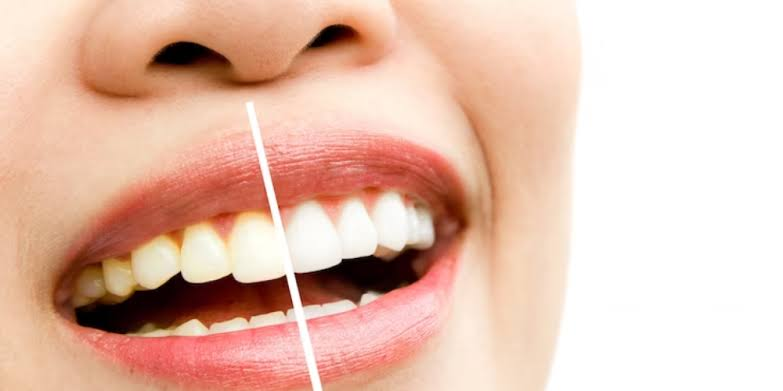
This is the first question to ask because it changes everything that comes next. Intrinsic stains are discoloration that develops within the tooth structure, not just on the outer enamel. In contrast, extrinsic stains sit on the surface and are often linked to coffee, tea, tobacco, or certain foods.
Why does that matter? Because a stain on the outside may improve with a cleaning or whitening, while a deeper stain may need bonding, veneers, or other cosmetic care. According to MedlinePlus information on tooth discoloration, tooth color changes can come from many sources, including trauma, medicines, aging, and problems that affect enamel or dentin. If you have been treating a deep stain like a surface stain, it makes sense that you feel disappointed.
2. What caused the discoloration in the first place?
Once you know the stain is internal, the next question is why it happened. Intrinsic staining can be tied to tooth injury, certain antibiotics taken during tooth development, enamel defects, aging, or changes in dentin. In some cases, one dark tooth points to past trauma. In others, several teeth may be affected by early development issues or fluoride exposure during childhood.
Because of this, you might wonder if the cause changes the treatment. Often, it does. A tooth that darkened after injury may need a different approach than teeth affected by fluorosis or medication. The NCBI overview of tooth discoloration explains that identifying the source helps guide diagnosis and treatment planning. That matters not only for appearance, but also for tooth health.
3. Will whitening work, or am I likely to need cosmetic restorations?
This is usually the question people care about most, and for good reason. You want to know whether a simpler treatment has a fair chance of helping. Some internal discoloration responds to professional whitening, especially when the stain is mild. Other cases do not lighten enough, even with strong in office products.
So where does that leave you? It means you need an honest conversation about realistic outcomes. If whitening is unlikely to create a good match, your dentist may talk with you about bonding, veneers, or crowns, depending on how severe the stain is and how much tooth structure needs support. Deep tooth discoloration treatment is rarely one size fits all. The best plan balances appearance, durability, and how much natural tooth you want to preserve.
4. Could this be related to fluoride, enamel changes, or something from childhood?
Some people carry this worry quietly for years. They wonder if something happened long ago and whether it could have been prevented. In certain cases, intrinsic staining is tied to enamel development or fluorosis, which can create white, brown, or mottled areas. If that is part of your story, it helps to know the full picture instead of filling in the blanks with fear.
The National Institute of Dental and Craniofacial Research explains fluoride and fluoridation in a way that can help you understand both the benefits of fluoride and the rare situations where too much exposure during tooth development may affect appearance. That context matters. It can help you ask better questions and move toward treatment without shame or confusion.
5. What are the risks, costs, and tradeoffs of each treatment option?
This is where many people feel tension. You want a better smile, but you also do not want to commit to a treatment you later regret. Some options are more conservative. Others may offer a stronger cosmetic result but require more planning or cost more upfront.
A useful way to compare your options is to look at what each one can and cannot do.
| Treatment Option | Best For | Pros | Limits to Ask About |
|---|---|---|---|
| Professional whitening | Mild internal discoloration | Less invasive, lower cost than restorations | May not fully lift deep stains, results vary |
| Dental bonding | Small to moderate discolored areas | Can mask color quickly, preserves much of the tooth | May stain or chip over time |
| Veneers | More visible front tooth staining | Strong cosmetic improvement, custom shade | Higher cost, some enamel removal may be needed |
| Crowns | Severe discoloration or weakened teeth | Full coverage, can improve strength and color | Most involved option, usually more tooth reduction |
If you are comparing internal tooth stain treatment with over the counter products, this is where a general and cosmetic dentist can help you avoid wasted time and money. A treatment that looks cheaper at first may cost more if it does not work and delays the right solution.
6. How do I choose the right dentist for treating intrinsic tooth stains?
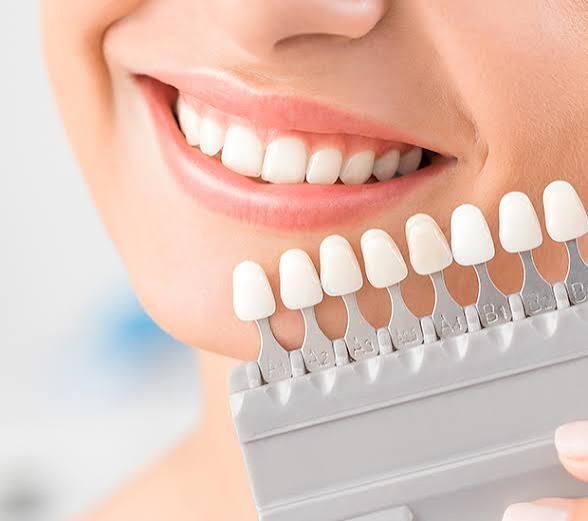
Not every discoloration case is simple, and that is okay to acknowledge. If your stain has not responded to basic whitening, you want a dentist who will explain the cause, show you your options, and be honest about what each treatment can achieve. Before and after photos, shade matching, and a clear plan all matter here.
You can ask whether the practice handles both health focused and cosmetic concerns, whether they start with the most conservative option, and how they approach one dark tooth versus several stained teeth. Tooth stain treatment should feel thoughtful, not rushed. If you leave the visit understanding your choices, that is a good sign.
What can you do next if you are feeling stuck?
Ask for a diagnosis before asking for whitening. If you begin with the cause of the stain, you are far more likely to get a treatment that fits your needs.
Bring photos or a timeline. If a tooth changed color after an injury, dental work, or medication use, that history can help your dentist narrow down the reason.
Request a treatment comparison. Ask which option is most conservative, which gives the best cosmetic result, and how long each one is expected to last.
When your teeth do not look the way you want, it can affect more than your smile. It can change how freely you laugh, speak, and show up in daily life. Still, there are answers, and there are treatment paths worth exploring. A trusted general and cosmetic dentist can help you sort out what is causing the discoloration and what can realistically improve it, so you can move forward with more confidence.