
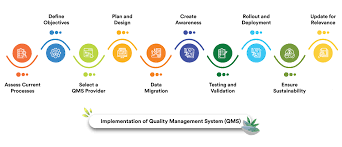
What Makes a Quality Management System Effective?
A strong quality management system feels like a reliable guide that keeps every process clear and steady. It helps teams avoid confusion and stick to standards that protect the final product. Many companies turn to digital tools because they want fewer errors and smoother operations. This article explores the traits that make a system truly effective and the habits that help teams get the most value from it.
Digital platforms, including various QMS software options, give organizations structured ways to document tasks, track progress, and review performance. These systems work best when paired with simple routines and clear communication. With the right setup, teams see problems earlier, respond with confidence, and deliver consistent results.
Strong Process Structure
Clear steps set the foundation for any quality system. A simple layout helps teams follow the same path every time. This removes confusion and reduces avoidable mistakes. A good structure includes written steps, approval points, and expected outcomes. Each part should be easy to follow and easy to update when needed.
To build a solid process base:
- Keep steps short.
- Use simple language.
- Add checkpoints for key stages.
Clear Documentation Control
Accurate documents keep a system dependable. A quality management setup stores manuals, forms, and work instructions in one location. This avoids outdated files and keeps everyone on the same page. Digital platforms enable teams to see which version of a document is current. They also record changes and timestamps. Two useful mini-rules help maintain clarity:
Rule 1: Keep naming patterns consistent – This helps people find files fast.
Rule 2: Assign owners for each document – This ensures updates never fall behind.
Strong Training Support
Teams perform better when expectations are clear. High-quality systems include simple training plans that align with the tasks employees handle each day. This helps new members learn quickly and helps experienced workers stay sharp. Training materials should be short, direct, and aligned with actual workflow steps. A mix of short videos, step lists, and quick guides helps people remember details.
A practical training setup should include:
- A clear timeline for new hires.
- Short refresh sessions for existing staff.
- Quick reference sheets for repeated tasks.
Consistent Performance Tracking
A quality system becomes more effective when teams can see how well they are doing. Key metrics show where processes need attention. Simple dashboards highlight overdue tasks or steps that need closer review. Tracking data does not need to be complex.
A few clear metrics guide teams toward better decisions. Trends in errors or delays reveal weak points that need adjustment. Steady reviews help teams improve without pressure. Clear feedback also motivates employees to stay committed to quality.
Fast Issue Response
A strong system helps teams react quickly when problems appear. Alerts and logs show exactly where the issue started. This reduces downtime and prevents repeat errors. Clear communication channels help teams share updates without confusion. A simple comment thread or task update helps managers and workers stay aligned.
Numbered steps help teams stay organized:
- Identify the source.
- Assign a responsible person.
- Document the fix.
- Review the outcome.
A quality management system becomes effective when structure, documentation, training, tracking, and response habits work together, and this improves even further with well-chosen QMS software options that support each step. Digital tools give teams a reliable space to manage tasks, store files, and review trends. When leaders keep systems simple and maintain clear communication, quality becomes part of daily work rather than an extra burden. A steady approach builds trust, reduces errors, and helps the entire team perform with confidence.