
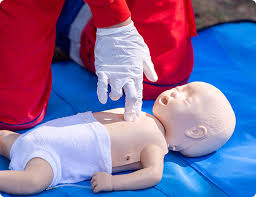
Child Safety: Mastering Pediatric CPR Techniques
Introduction:
When it comes to the safety of children, every parent, caregiver, teacher, and healthcare professional must be prepared for the unexpected. Children can face medical emergencies that require immediate attention, and knowing how to perform pediatric CPR (Cardiopulmonary Resuscitation) can be a life-saving skill. Pediatric CPR differs from adult CPR, as children’s bodies respond to CPR techniques in unique ways. This article will help you understand why mastering pediatric CPR is crucial and how it can make a significant difference in emergencies.
1. Why Pediatric CPR is Essential
Emergencies involving children can be stressful and overwhelming. During a cardiac arrest or breathing emergency, immediate action is necessary to prevent brain damage or even death. Pediatric CPR is designed to help stabilize a child’s heart and lungs until professional medical assistance arrives.
- Common Emergencies in Children: Children are prone to accidents, choking, drowning, or asthma attacks, all of which may require immediate CPR.
- Faster Response: The sooner CPR is initiated, the higher the chance of survival. Children’s bodies, especially infants and toddlers, can be particularly vulnerable in emergencies, making quick intervention crucial.
- Confidence in Critical Situations: Learning pediatric CPR gives you the confidence to handle emergencies calmly and effectively, increasing the likelihood of a positive outcome.
2. Key Differences Between Pediatric and Adult CPR
CPR for children is not the same as CPR for adults. A child’s body is much smaller and more delicate, and the techniques must be adapted to ensure that the CPR is both effective and safe. Here are the main differences:
- Compression Depth: In pediatric CPR, the depth of chest compressions is shallower than for adults. For infants, you should compress about 1.5 inches, while for children, it’s about 2 inches. For adults, deeper compressions of at least 2 inches are necessary.
- Compression Technique: For infants, you use two fingers to perform chest compressions. For children, you can use one or two hands depending on the size of the child. For adults, two hands are used.
- Rescue Breaths: When providing rescue breaths, for a child, you should cover the child’s nose and mouth with your mouth, while for an infant, use your mouth to cover both the nose and mouth gently. For adults, you give mouth-to-mouth without covering the nose.
3. Steps for Performing Pediatric CPR
Knowing the steps for performing pediatric CPR is essential. Whether you’re dealing with an infant, a toddler, or a young child, these techniques will guide you through the process.
Step 1: Check for Safety
- Ensure the environment is safe for both you and the child.
Step 2: Assess the Situation
- Infants: Check if the infant is responsive by tapping their foot and speaking loudly.
- Children: Call out the child’s name and see if they respond.
Step 3: Call for Help
- For both infants and children, if there is no response, call emergency services immediately or instruct someone nearby to do so.
Step 4: Start Chest Compressions
- Infants: Use two fingers placed in the center of the chest just below the nipple line.
- Children: Use one or two hands, depending on the child’s size, to compress the chest about 1.5–2 inches deep at a rate of 100–120 compressions per minute.
Step 5: Provide Rescue Breaths
- Infants: Place your mouth over the child’s nose and mouth, making a seal, and provide gentle breaths. Give two rescue breaths.
- Children: Cover the child’s mouth and nose with your mouth to provide two rescue breaths, ensuring the chest rises with each breath.
Step 6: Continue the Cycle
- Continue the chest compressions and rescue breaths in cycles of 30 compressions to 2 breaths until the child starts breathing on their own or help arrives.
4. Recognizing the Signs of a Child in Distress
Knowing when a child might need CPR can help you act quickly. Here are some signs to watch out for:
- Unresponsiveness: If a child is not waking up or responding to stimuli (shaking, calling their name), they may need immediate attention.
- Severe Difficulty Breathing: If a child is gasping or breathing abnormally, they might be in respiratory distress, which could lead to cardiac arrest.
- Choking: If a child is unable to breathe and their airway is obstructed, immediate action is needed to clear the blockage.
- Skin Color: If a child’s skin turns blue or pale, it indicates a lack of oxygen, requiring immediate intervention.
5. Pediatric CPR Training: What to Expect
Taking a pediatric CPR course is the best way to master these techniques and be prepared for an emergency. While online resources and videos can be helpful, hands-on practice is essential to mastering the skills. Here’s what to expect in a pediatric CPR course:
- Hands-On Practice: You’ll practice CPR techniques on mannequins designed to simulate real-life situations, helping you get comfortable with the motions.
- Instructor-Led Training: A certified instructor will walk you through the steps, ensuring you understand the differences between infant, child, and adult CPR.
- Certification: After completing the course, you’ll receive a certification, which is a valuable credential for parents, caregivers, teachers, and childcare workers.
For example, https://cprcertificationnow.com/ offers convenient online courses for pediatric CPR, allowing you to get certified from the comfort of your own home.
6. Pediatric CPR: A Lifesaving Skill for Parents and Caregivers
Pediatric CPR is one of the most important skills any parent or caregiver can have. Whether you’re dealing with a choking incident, drowning, or a sudden health emergency, knowing the correct CPR techniques can be the difference between life and death.
- Peace of Mind: Having pediatric CPR training gives you peace of mind that you’ll be ready to act in an emergency situation.
- Protecting Your Loved Ones: As a parent or caregiver, you are the first line of defense in protecting your child from harm. Pediatric CPR empowers you to take action when it matters most.
Conclusion
Mastering pediatric CPR techniques is not just about learning a skill; it’s about being prepared for the worst and knowing that you can make a difference in a child’s life during an emergency. The ability to act quickly and effectively can save lives, and having the knowledge of pediatric CPR equips you with the tools to do so.