
How to Choose the Perfect Matte Box for Your Cinema Camera
Every filmmaker knows the frustration of capturing what seems like the perfect shot, only to discover unwanted lens flare streaking across the frame or harsh glare washing out critical details during playback. These visual challenges—stray light hitting your lens at the wrong angle, reflections from bright sources, and uncontrolled ambient light—can transform a cinematic masterpiece into an amateur-looking clip. The matte box stands as one of the most essential cinema camera accessories for professional light control, offering filmmakers precise command over what light reaches their lens while providing a versatile platform for creative filtering. Yet with countless options flooding the market, from budget-friendly models to high-end professional rigs, independent filmmakers often struggle to identify which features truly matter and which are just marketing fluff. This guide cuts through the confusion, offering a practical roadmap for selecting an affordable yet professional matte box solution that elevates your video production quality without draining your budget. Whether you’re shooting narrative films, documentaries, or commercial content, understanding how to choose the right matte box will transform your approach to lighting control and image quality.
What is a Matte Box and Why Do You Need One?
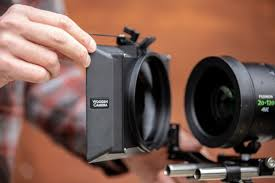
A matte box is a shading device that attaches to the front of your camera lens, designed to block unwanted light from entering the lens at oblique angles. Picture it as a sophisticated hood with adjustable flags—those hinged panels extending from the sides and top—that you can position to shield your lens from stray light sources, overhead sun, or practical lights on set. Its primary function is preventing lens flare and reducing contrast-robbing glare that degrades your image quality, ensuring your blacks stay deep and your colors remain saturated.

Beyond light control, the matte box serves as a critical mounting platform for professional filters. Its filter stage—typically one or two slots positioned in front of the lens—holds square or rectangular filters like neutral density filters for exposure control, polarizers to manage reflections, and diffusion filters for softening your image. This system proves far more practical than screw-on circular filters, allowing you to stack multiple filters instantly and swap them between setups without touching your lens.
For independent filmmakers working with limited budgets, a matte box represents one of the most cost-effective investments in production value. It protects expensive lenses from accidental impacts and scratches while delivering that unmistakable professional aesthetic clients and audiences expect. The difference between footage shot with proper light control versus relying solely on lens hoods is immediately visible—richer contrast, cleaner highlights, and that coveted cinematic depth that separates amateur from professional work. When you’re competing for projects or building your portfolio, these visual improvements justify the investment many times over.
Key Factors to Consider When Choosing Your Matte Box
Compatibility: Lens Diameter and Camera Mount
Before falling in love with any matte box design, verify it physically works with your existing rig. Check whether your camera uses 15mm or 19mm support rods—this determines which mounting bracket you need. Measure your largest lens’s front diameter and confirm the matte box accommodates it without vignetting, especially critical with wide-angle glass below 35mm. Some matte boxes offer clamp-on options that attach directly to the lens barrel, ideal for lightweight setups, while rod-mounted versions provide superior stability for heavier configurations with follow focus systems.
Filter Stage Capacity and Flexibility
Single-stage matte boxes handle one filter at a time, perfect for filmmakers who primarily use variable ND filters or work in controlled environments. Dual-stage models let you stack a polarizer with ND or combine diffusion with graduated filters, opening creative possibilities for complex lighting scenarios. Consider whether you need rotating stages for polarizers—essential for controlling reflections and sky saturation. Filter size matters too: 4×4-inch filters cost less and work for smaller lenses, while 4×5.65-inch filters prevent vignetting on wider focal lengths but demand a larger investment in your filter collection.
Build Quality and Design: Professional vs. Budget
Metal construction delivers durability for daily professional use, withstanding the inevitable bumps of location shooting, though it adds weight to your rig. Carbon fiber composite options strike a middle ground—reasonably robust while keeping your shoulder rig manageable. Examine the flag system closely: adjustable French flags with multiple pivot points offer precise light control, while fixed flags limit your shading options. Quick-release filter trays save precious setup time between shots, a feature worth prioritizing even in budget models. Avoid purely plastic constructions that flex under filter weight or crack from minor impacts.
Weight and Portability for Run-and-Gun Filmmaking
Documentary shooters and solo operators need to balance light control benefits against shoulder fatigue during long handheld takes. Lightweight matte boxes under 500 grams exist without sacrificing essential functionality, using streamlined designs and composite materials. Look for modular systems where you can remove flags or reduce from dual to single-stage configurations when mobility trumps versatility. Some designs fold flat for transport, critical when packing gear for flights or cramped vehicle shoots. Test the complete assembled weight with your typical lens and filter combination before committing—what feels manageable in-store becomes burdensome after an eight-hour shoot.
Step-by-Step Guide to Selecting Your Perfect Matte Box
Step 1: Assess Your Current and Future Gear
Create a detailed inventory starting with your camera body’s rod system specifications—measure whether you have 15mm or 19mm support rods. List every lens you own with its front filter thread diameter, noting your widest focal length since this determines vignetting risk. Document your existing filters and their sizes, whether you’re working with 4×4 or 4×5.65-inch squares. Finally, consider any lens purchases you’re planning within the next year, as buying a matte box that accommodates future glass prevents costly upgrades later.
Step 2: Define Your Primary Use Case and Budget
Identify whether you primarily shoot controlled studio environments where weight matters less, documentary work requiring quick setup and mobility, or travel projects where compact gear is essential. Establish a realistic budget ceiling for your matte box investment, remembering to allocate additional funds for adapter rings and filters. Independent filmmakers typically find quality options between entry-level and mid-range pricing that deliver professional results without premium costs. Manufacturers like SmallRig have expanded the accessible options for filmmakers, offering modular matte box systems that balance affordability with professional-grade features.
Step 3: Match Features to Your Filmmaking Needs
Cross-reference your shooting style with practical features. Studio cinematographers benefit from dual-stage systems and robust French flags for precise control. Documentary shooters should prioritize lightweight single-stage designs with quick-release mechanisms. If you frequently shoot outdoors with polarizers, rotating stages become non-negotiable. Eliminate features you won’t actually use—paying for capabilities that remain idle wastes budget better spent on quality filters or other production essentials.
Step 4: Research and Compare Specific Models
Narrow your search to three models that meet your compatibility requirements and fall within budget. Read reviews from working filmmakers rather than marketing materials, focusing on real-world durability reports and compatibility issues. Watch video demonstrations showing actual mounting procedures and filter changes. Compare warranties and customer support quality, as responsive manufacturers who stand behind their products save headaches when problems arise during critical shoots.
Essential Matte Box Accessories and Maintenance Tips
French flags—those adjustable side panels—deserve priority in your accessory budget, allowing you to block light from specific angles that fixed top flags can’t reach. Donuts, the flexible rubber rings that seal the gap between your lens and matte box opening, prevent light leaks on smaller diameter lenses while protecting glass from scratches. Step-down rings expand compatibility across your lens collection, letting one matte box work with various filter thread sizes without purchasing multiple units.
Maintaining your matte box requires minimal effort but pays dividends in longevity. Wipe filter trays and stages with a microfiber cloth after dusty location shoots, as grit accumulating in the slide mechanisms causes binding and scratches your expensive filters. Check mounting screws monthly and tighten any that have loosened from vibration during transport. Store flags in their closed position to prevent warping, and keep the entire assembly in a padded case rather than loose in your gear bag where impacts can bend delicate components. Clean filters separately using proper lens cleaning solutions, never while mounted in the matte box where drips can damage internal mechanisms.
Making the Right Investment for Your Filmmaking
Choosing the right matte box ultimately comes down to balancing essential functionality with your specific production realities. The core purpose remains constant across all price points—controlling stray light to eliminate lens flare and providing a stable platform for your creative filters—but the perfect solution for your needs depends on honest assessment of your camera system, shooting style, and budget constraints. A documentary shooter prioritizing mobility requires different features than a studio cinematographer building a comprehensive rig, and recognizing these distinctions prevents overspending on unused capabilities or underbuying and facing limitations on set. The matte box that seamlessly integrates into your existing workflow, accommodates your current lens collection while allowing room for growth, and solves your particular challenges with lens glare reduction and filter management represents the smartest investment. Rather than chasing expensive professional models loaded with features you’ll rarely use, focus on quality construction in the essentials that matter for your work. This practical approach lets independent filmmakers achieve genuinely cinematic results without exhausting their equipment budget, freeing resources for lighting, audio, and other production elements that equally impact your final image quality. Your perfect matte box is the one that disappears into your process, quietly elevating every frame while you focus on storytelling.