
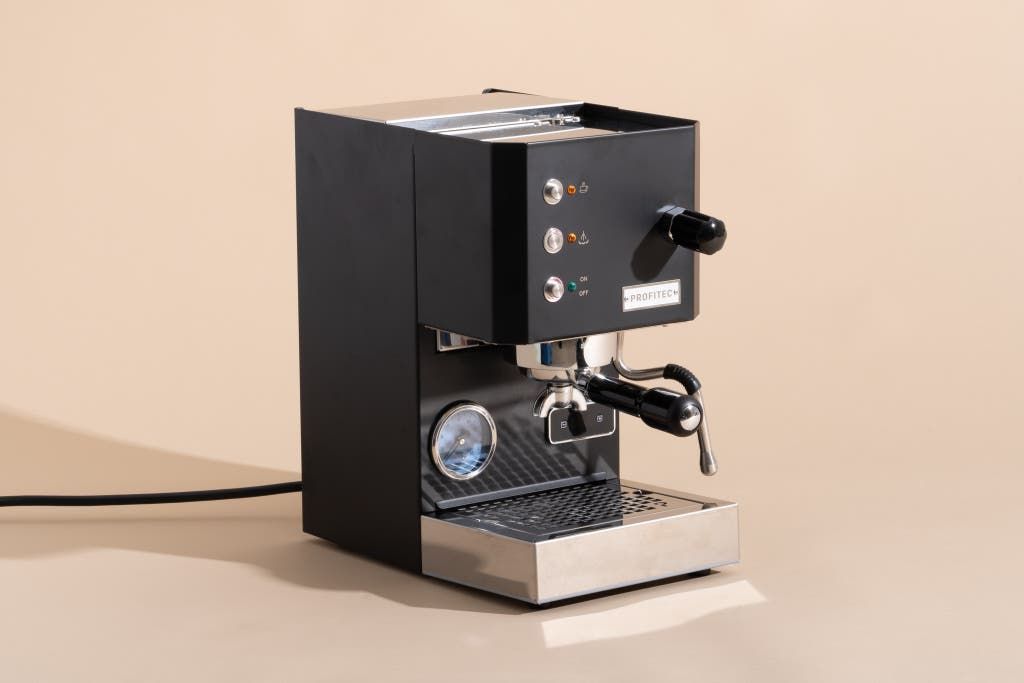
Smarter Coffee Machines: Water Tank Capacity Matters
Coffee enthusiasts are increasingly turning to smarter coffee machines that promise barista-quality results at home. While features like programmable settings and precision temperature control often steal the spotlight, one fundamental aspect deserves closer attention: water tank capacity. This seemingly simple specification plays a surprisingly significant role in determining your machine’s brewing performance and overall user experience. The relationship between water quantity and extraction quality is more intricate than many realize—adequate water volume ensures consistent temperature stability throughout the brewing process, while insufficient capacity can compromise the delicate balance required for perfect espresso. Whether you’re pulling a single shot in the morning or entertaining guests with multiple servings, understanding how water tank capacity influences flavor extraction, machine efficiency, and daily convenience will transform how you approach your coffee machine selection. As we explore the technical and practical considerations of this often-overlooked feature, you’ll discover why water tank capacity matters just as much as grind size or pressure settings in your pursuit of the perfect cup.
Why Water Tank Capacity is Crucial for Coffee Brewing Performance
Water tank capacity directly influences brewing consistency by maintaining thermal stability throughout the extraction process. Larger reservoirs act as thermal buffers, preventing rapid temperature fluctuations that occur when heating elements repeatedly activate to warm small water volumes. This stability is essential because espresso extraction demands precise temperatures between 195-205°F—even a three-degree variance can result in under-extraction or bitterness. When machines operate with undersized tanks, the heating cycle interrupts more frequently, creating temperature swings that compromise crema formation and flavor balance.

Insufficient water volume creates multiple performance challenges beyond temperature control. Machines with small tanks often struggle during back-to-back brewing sessions, as depleted reservoirs force the heating system to work harder, extending wait times between shots. This limitation becomes particularly evident when preparing milk-based drinks requiring steam, which draws significant water volume. A 40-ounce tank might accommodate three double espressos before requiring a refill, while a 60-ounce capacity handles six shots comfortably, maintaining optimal pressure and temperature throughout.
Comparing practical outcomes reveals stark differences: compact machines with 30-ounce tanks suit single users pulling one morning shot, but families or entertaining scenarios expose their limitations quickly. Mid-range 50-ounce capacities strike a balance for most households, supporting four to five quality extractions without thermal degradation. Professional-grade machines featuring 70-ounce or larger reservoirs deliver unwavering performance during extended sessions, ensuring the twentieth cup matches the first in temperature precision and extraction quality. The correlation between adequate water volume and consistent brewing results isn’t coincidental—it’s fundamental physics governing heat transfer and system stability.
Key Features to Consider When Selecting a Smarter Coffee Machine
Water tank capacity requirements vary significantly based on usage patterns, with single-user households functioning well with 30-40 ounce tanks, while families or frequent entertainers benefit from 50-70 ounce capacities. Evaluate your daily consumption honestly—if you prepare more than four espresso-based drinks daily, prioritize machines offering at least 60 ounces to avoid constant refilling interruptions. Larger tanks also prove advantageous for automated cleaning cycles, which consume substantial water volumes separate from brewing needs.

Tank capacity becomes exponentially more valuable when integrated with programmable features like scheduled brewing or auto-start functions. A generous reservoir ensures your machine can execute morning routines without running dry mid-cycle, while smart connectivity features allow remote monitoring of water levels. However, capacity alone doesn’t guarantee quality—examine whether the tank design includes removable construction for thorough cleaning, as stagnant water breeds bacteria regardless of volume. Transparent or translucent materials enable quick visual level checks without opening the machine.
Material composition directly impacts taste neutrality and longevity. BPA-free plastics remain standard, but some premium machines incorporate glass or stainless steel reservoirs that better preserve water freshness and resist mineral buildup. Refilling accessibility matters equally—front-access tanks eliminate the need to reposition machines under cabinets, while top-fill designs often require more clearance but simplify pouring. Maintenance practicality extends to filter compatibility, as larger tanks benefit more from integrated filtration systems that reduce descaling frequency. Machines featuring water level sensors that alert users before depletion prevent dry-heating damage and extraction failures during critical brewing moments.
How Water Quality Complements Tank Capacity for Perfect Espresso
Water quality dramatically influences extraction outcomes regardless of tank size, as espresso consists of 98% water that carries dissolved coffee compounds to your cup. Built-in filtration systems transform larger tank capacities from potential liabilities into advantages by continuously treating water before it reaches heating elements. Activated carbon filters remove chlorine and organic contaminants that create off-flavors, while ion exchange resins address hardness issues that cause scale accumulation. Machines with 60-ounce or larger tanks particularly benefit from integrated filtration, as the water remains fresher longer compared to smaller reservoirs that cycle through refills more frequently.
Mineral content requires careful balance—water that’s too soft under-extracts coffee, producing flat, sour results, while excessive hardness over-extracts bitter compounds and damages internal components through limescale buildup. Ideal brewing water contains 50-175 ppm total dissolved solids, with calcium and magnesium providing essential extraction chemistry. For large-capacity machines, installing inline water filters or using remineralized reverse osmosis water prevents the stagnation problems that plague oversized tanks filled with distilled water, which lacks buffering capacity and tastes metallic.
Maintaining water quality in substantial reservoirs demands proactive strategies: empty and refill tanks every three days even without full depletion, as standing water develops biofilm regardless of initial purity. Clean removable tanks weekly with vinegar solution to prevent mineral deposits along walls and corners where circulation is minimal. Machines featuring water recirculation systems or UV sterilization justify their premium pricing by addressing the fundamental challenge of keeping large water volumes fresh, ensuring that generous capacity enhances rather than compromises your espresso quality through proper quality management practices.
Choosing the Right Coffee Machine: A Buyer’s Guide
For Home Baristas
Home baristas preparing two to four espresso drinks daily find the sweet spot in machines featuring 40-50 ounce water tanks. This capacity accommodates morning routines and afternoon pick-me-ups without constant refilling, while remaining compact enough for standard kitchen counters. Machines like those with 47-ounce reservoirs support approximately six double shots before requiring attention, providing breathing room for spontaneous cappuccinos when friends visit. Prioritize models with removable tanks accessible from the front or side, eliminating the frustration of sliding your machine forward to refill—a seemingly minor detail that becomes significant during daily use.
Compact doesn’t mean compromising on capacity intelligence. Look for machines incorporating low-water indicators or automatic shutoff features that prevent dry heating when levels drop critically. Semi-automatic models in this category balance hands-on control with practical reservoir sizing, letting you perfect your technique without infrastructure demands of plumbed-in systems. Consider whether your machine includes separate hot water spouts for Americanos or tea—this feature draws additional tank volume and might push your needs toward the higher end of the home-use spectrum, particularly if household members have diverse beverage preferences beyond straight espresso.
For Office or Commercial Use
Commercial environments serving ten or more people daily require machines with minimum 70-ounce capacities, though 90-100 ounce tanks better suit high-traffic scenarios. These substantial reservoirs maintain thermal consistency during rush periods when colleagues queue for morning caffeine, preventing the performance degradation that smaller tanks experience under continuous demand. Calculate your peak usage—if fifteen people typically want coffee within a two-hour window, prioritize machines offering at least 1.5 ounces per serving multiplied by expected volume, adding twenty percent buffer for steam wand purging and cleaning cycles that consume water without producing beverages.
Durability and serviceability trump residential considerations in commercial settings. Seek machines with reinforced tank mounting systems that withstand frequent removal for cleaning and refilling by multiple users with varying care levels. Plumb-in capability becomes cost-effective for offices exceeding twenty daily servings, eliminating refill labor entirely while ensuring unlimited water supply. However, plumbed systems require professional installation and dedicated water lines—evaluate whether your space accommodates this infrastructure. For flexible office layouts or shared spaces, large-capacity portable tanks offer compromise, providing commercial volume without permanent installation commitments that complicate future relocations.
Top Coffee Machine Delivery and Setup Considerations
Reliable delivery services should offer specialized handling for coffee machines, as these appliances contain delicate internal components sensitive to impact damage. Verify that carriers provide tracking with delivery windows rather than all-day estimates, preventing extended absences from work. Insist on threshold delivery at minimum, where drivers place the boxed machine inside your doorway rather than curbside—machines weighing 25-40 pounds with fragile boilers and pumps risk damage if you’re forced to drag them up stairs or across parking areas. Premium services offering room-of-choice placement and packaging removal justify their cost by eliminating disposal hassles and ensuring your machine reaches its final counter location safely.
Initial setup begins with inspecting the water tank for manufacturing residue or protective films that must be removed before first use. Rinse the reservoir thoroughly with warm water three times, then fill with fresh water and run two complete brew cycles without coffee to flush internal lines and heating elements. This process removes factory oils and primes the system, preventing chemical tastes in your first espresso. Position your machine on a level, stable surface at least four inches from walls to ensure adequate ventilation around heating components—trapped heat accelerates wear and affects temperature regulation accuracy. Manufacturers like Meraki Tech Global often include detailed setup guides that walk users through proper water tank preparation and initial calibration procedures specific to their models.
Water tank maintenance establishes long-term performance patterns from day one. Fill tanks only with filtered or bottled water appropriate for your machine’s specifications, avoiding distilled water that corrodes metal components or untreated tap water that accelerates scale formation. Mark your calendar for weekly tank cleaning and monthly descaling cycles based on water hardness—hard water regions require descaling every 30 brew cycles, while soft water areas extend intervals to 60 cycles. Store your machine’s manual near the appliance with delivery receipts and warranty information, creating a reference point for troubleshooting water-related issues before they compromise your investment’s longevity or void coverage through improper maintenance practices.
Making the Right Water Tank Capacity Decision
Water tank capacity stands as a defining factor in coffee machine performance, influencing everything from thermal stability and extraction consistency to daily convenience and maintenance requirements. As we’ve explored, the right reservoir size depends entirely on your specific needs—home baristas thrive with 40-50 ounce tanks that balance compactness with functionality, while commercial environments demand 70-100 ounce capacities to sustain peak-hour demands without compromising quality. However, capacity alone tells only part of the story. The synergy between adequate water volume and proper quality management—through filtration systems, regular cleaning protocols, and appropriate mineral content—determines whether your machine delivers exceptional espresso or merely adequate results. When evaluating smarter coffee machines, resist the temptation to prioritize flashy connectivity features over this fundamental specification. A well-sized, properly maintained water tank ensures that every technological advancement your machine offers operates at peak efficiency, from programmable brewing schedules to precision temperature control. By considering both the practical capacity requirements of your household or workspace and the water quality strategies that maximize that capacity’s potential, you’ll make an informed investment that delivers consistently remarkable coffee for years to come.