
Reconnect with Your Family: The Power of a Digital Calendar
Between school pickups, work deadlines, soccer practice, and dinner prep, modern family life can feel like a never-ending juggling act. For busy parents, the mental load of keeping everyone on track often leads to missed appointments, forgotten commitments, and the creeping sense that the family is simply coexisting rather than truly connecting. When schedules live across sticky notes, individual phone apps, and half-remembered conversations, things inevitably fall through the cracks — and so does precious family time.
A digital family calendar offers a surprisingly powerful remedy. More than just a scheduling tool, it serves as a shared hub that brings everyone’s commitments into one place, visible and accessible to the whole household in real time. The result is less chaos, fewer conflicts, and more space for the moments that actually matter.
In this article, we’ll explore how a digital family calendar can transform the way your household operates — from streamlining home organization and simplifying meal planning to building stress-free routines and deepening family connection. Whether you’re a parent drowning in logistics or simply looking for a smarter way to manage your home, this guide will show you exactly where to start.
What is a Digital Family Calendar and Why It Matters
A digital family calendar is a shared, cloud-based scheduling tool that gives every household member visibility into the family’s commitments — all in one place, updated in real time. Unlike a paper calendar stuck to the fridge or separate apps on individual phones, a digital family calendar syncs instantly across devices, meaning a dentist appointment added on Mom’s laptop appears immediately on Dad’s phone and the kids’ tablets. There’s no more “I didn’t know about that” at the dinner table. Beyond simple scheduling, it serves as a central hub where tasks, reminders, and events live together, reducing the invisible mental load that so often falls on one parent. When everyone can see the full picture — who needs a ride, when bills are due, which evenings are already spoken for — coordination becomes natural rather than exhausting. The result is a household that runs with less friction and more intention.
Transforming Home Organization with a Digital Calendar
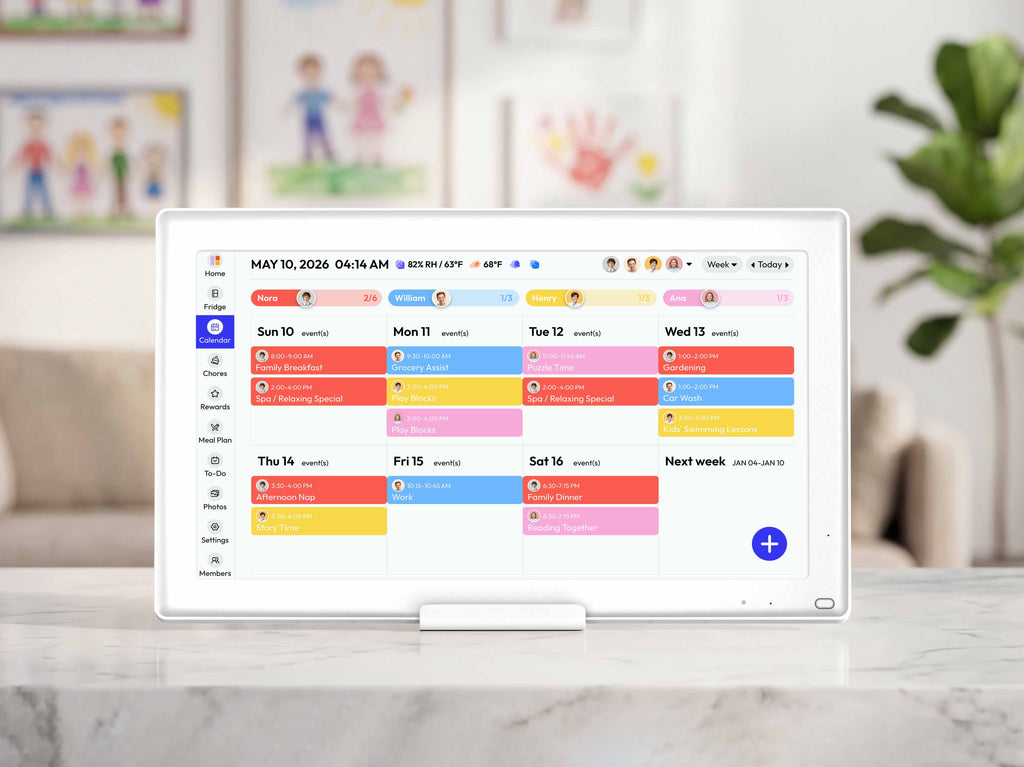
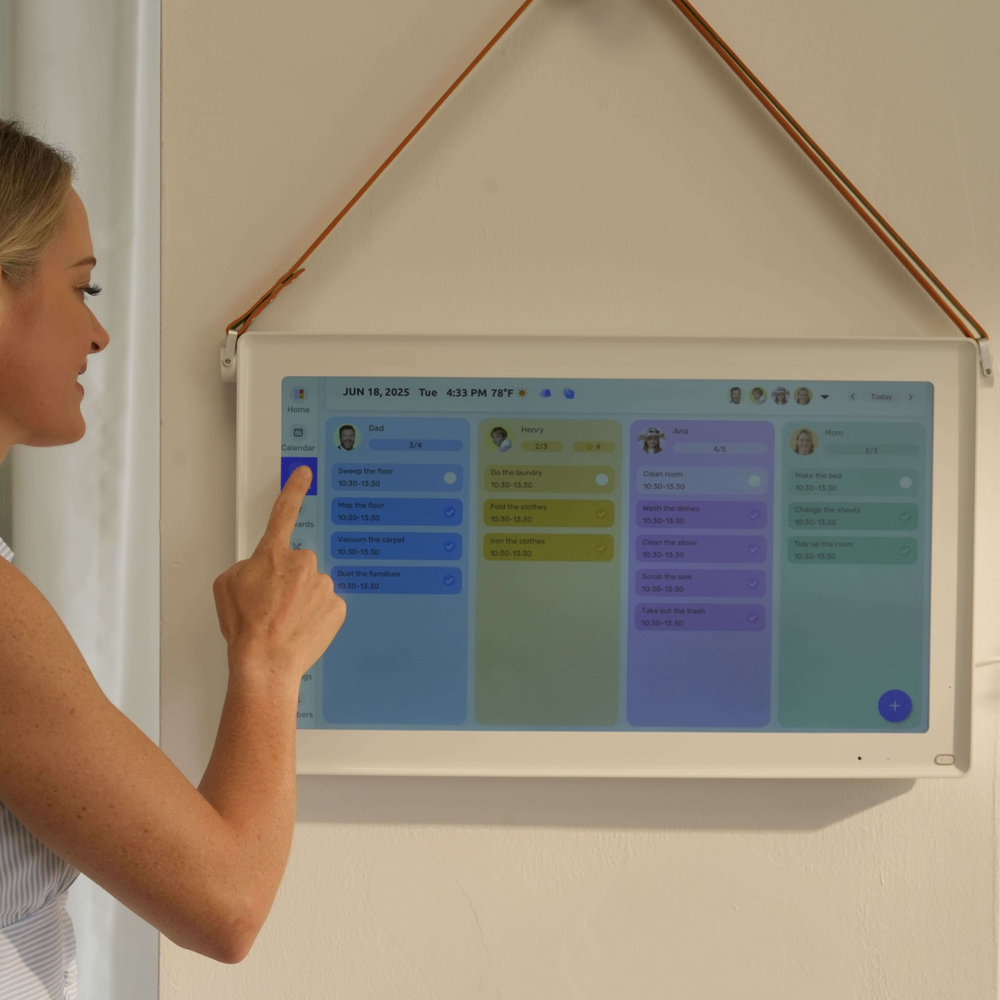
Home organization stops feeling like a constant uphill battle once your calendar does more than track appointments. A digital family calendar brings tasks, chores, and commitments into a single view, so nothing competes for mental space or gets buried under a pile of sticky notes. Instead of managing school events in one app, work deadlines in another, and household chores on a whiteboard, everything lives together — structured and searchable.
The real clarity comes from categorization. Assigning distinct color codes to each family member or activity type — blue for school events, green for work, orange for extracurriculars — lets anyone scan the week at a glance and immediately understand where the pressure points are. Pair that with well-timed reminders, and you eliminate the last-minute scramble that derails even the most organized households. Set a reminder 48 hours before a big grocery run, or schedule a recurring alert every Sunday evening to review the week ahead. These small automations quietly absorb the mental load that busy parents carry daily, freeing up headspace for what actually matters at home.
Streamlining Meal Planning for Busy Parents
For most families, the question “What’s for dinner?” arrives like clockwork — and with it, a familiar wave of stress. Meal planning is one of the most time-consuming mental tasks parents face daily, yet it’s also one of the easiest to systematize with a digital calendar. By dedicating a consistent slot on your calendar — say, Sunday afternoons — to plan the week’s meals, you transform a daily scramble into a single, manageable decision-making session. The calendar becomes your meal planner, grocery coordinator, and prep reminder all at once.
Step-by-Step Guide to Digital Meal Planning
Start by choosing a calendar app that supports notes or attachments, such as Google Calendar or Cozi. Next, block specific time slots for meal prep — a 30-minute window before Tuesday’s busy evening, for example. Within each meal event, attach a recipe link or jot down key ingredients directly in the notes field. Then share the calendar with your partner or older children and invite their input; letting kids pick one dinner per week dramatically increases buy-in at the table. Finally, connect your meal schedule to a shared grocery list app like AnyList, so ingredients flow automatically from your calendar plan to your shopping trip.
Benefits of Digital Meal Planning for Family Health
The payoff extends well beyond saved time. When meals are planned in advance, impulse takeout orders — and their costs — drop significantly. Decision fatigue, that invisible drain that hits hardest at 5 p.m., nearly disappears because the choice was already made on Sunday. Perhaps most importantly, planned meals naturally trend healthier; you’re choosing ingredients thoughtfully rather than grabbing whatever’s convenient. Over time, this consistency builds better eating habits across the whole family, turning the dinner table back into a moment of connection rather than a source of daily stress.
Building Stress-Free Family Routines
Consistency is the quiet foundation of a calm household. When mornings feel chaotic and bedtimes turn into negotiations, the culprit is almost always a lack of predictable structure — and a digital calendar is one of the most effective tools for building it. By converting daily and weekly patterns into recurring calendar events, you stop relying on memory or willpower to keep things running smoothly. The calendar simply prompts the routine, and the routine does the rest.
Start by mapping out the rhythms your family already follows: school departure times, after-school activity windows, homework blocks, and wind-down periods before bed. Enter these as recurring events so they populate automatically every week without any manual effort. Then layer in strategic alerts — a 20-minute morning warning before the school bus, a dinnertime reminder that doubles as a cue to wrap up screen time, a Sunday evening prompt to pack bags for the week ahead. These automated nudges absorb the mental energy parents typically spend anticipating and redirecting. Over time, the calendar doesn’t just reflect your routine — it actively reinforces it, giving children a predictable rhythm they can rely on and giving parents the breathing room that comes with a household that largely runs itself.
Strengthening Family Connection Through Shared Schedules
A shared digital calendar does something no individual scheduling app can: it makes the whole family visible to itself. When everyone can see what everyone else has going on, the natural result is more empathy, fewer conflicts, and a stronger sense of moving through life together rather than in parallel. Shared visibility transforms scheduling from a logistical chore into an act of communication — one that says, “Your time matters to this family.”
Fostering Communication with Shared Access
The first step is granting every family member edit permissions, not just view access. When teenagers can add their own commitments and partners can update plans without a phone call, the calendar becomes genuinely collaborative rather than one person’s burden. Most apps, including Google Calendar and Cozi, allow comment threads on individual events — use these to discuss logistics, share reminders, or simply check in. Build in a brief weekly review, perhaps five minutes over Sunday dinner, where the family scans the upcoming week together. This habit alone catches conflicts early, distributes responsibilities naturally, and keeps everyone feeling included in how the household runs.
Planning Quality Time and Activities
Intentional family time rarely happens by accident — it gets squeezed out by the commitments that do make it onto the calendar. The fix is simple: treat family time as a non-negotiable event and block it explicitly. Schedule a monthly game night, a Saturday morning hike, or a regular movie evening the same way you’d schedule a dentist appointment. Use the calendar to celebrate milestones too — birthdays, school achievements, and anniversaries — so these moments get the attention they deserve. When children see family activities holding a permanent place on the shared schedule, it sends a clear message that connection is a priority, not an afterthought.
Implementing Your Digital Family Calendar: A Step-by-Step Guide
Getting a digital family calendar off the ground takes less effort than most parents expect — the key is starting with the right tool, configuring it thoughtfully, and building habits that keep everyone engaged over time. The setup process breaks naturally into three stages: choosing your platform, customizing it for your household, and maintaining momentum once the novelty wears off.
Choosing the Right Digital Calendar Tool
Google Calendar remains the most versatile option for most families — it’s free, syncs seamlessly across Android and iOS devices, and supports multiple shared calendars under one account. Cozi is purpose-built for families, offering a combined calendar, grocery list, and to-do list in a single interface that’s especially approachable for younger children. Apple’s built-in Calendar app works beautifully for households already deep in the Apple ecosystem. Tools like Everblog also cater specifically to family scheduling needs, combining digital calendar features with an intuitive shared interface designed to keep every household member in sync. When comparing options, prioritize three features: shared access with individual edit permissions, cross-platform synchronization so no device gets left out, and a clean interface that won’t intimidate less tech-savvy family members.
Setting Up and Customizing Your Calendar
Begin by creating a primary family account and inviting each household member — even children old enough to check a device independently. Next, establish your category structure: create separate calendars or color-coded labels for meals, school events, extracurriculars, work commitments, and family activities. Input all known recurring events first — school schedules, standing appointments, weekly routines — so the framework populates automatically going forward. Finally, review privacy settings to ensure sensitive work events remain visible only to the relevant parent while family-wide events stay open to everyone.
Tips for Maintenance and Consistency
The most common reason digital calendars fail is inconsistent updating — one person stops adding events, and the shared view quickly becomes unreliable. Counter this by anchoring a five-minute weekly review to an existing habit, such as Sunday dinner or a morning coffee ritual. Rotate the responsibility of updating the calendar among older children and both partners so it doesn’t quietly become one person’s job again. As your family’s needs shift — new activities, changing school schedules, a job change — treat the calendar structure as a living document and adjust categories or recurring events accordingly. A calendar that reflects real life gets used; one that doesn’t gets abandoned.
Start Sharing, Start Connecting
Modern family life moves fast, and without the right systems in place, it’s easy to lose sight of what matters most beneath the daily flood of logistics. A digital family calendar addresses this directly — not by adding another task to your plate, but by quietly absorbing the coordination work that drains so much parental energy. From bringing order to home organization and taking the stress out of meal planning, to building predictable routines and carving out intentional space for connection, a shared digital calendar touches nearly every dimension of how a household functions.
The best part? Getting started requires almost no technical expertise. Choose a platform that fits your family’s devices, spend one focused hour setting up categories and recurring events, and invite everyone in. The habits will build naturally from there. Whether your household runs on Google Calendar, Cozi, or Apple Calendar, the tool matters far less than the shared commitment to using it consistently.
If your family has been coexisting rather than truly connecting, this is one of the simplest, most effective changes you can make. Start this Sunday — block a weekly review, add your next family dinner, and watch how quickly a little shared visibility transforms the way your household feels. The calendar won’t fix everything, but it will give your family the structure to focus on the things that actually do.