
Transform Your Patio with Sustainable Outdoor Rugs
Picture this: a sun-drenched patio with comfortable seating, potted herbs along the railing, and a beautiful rug anchoring the space — your personal outdoor sanctuary just steps from the back door. Achieving that look feels simple until you start shopping and realize most conventional outdoor rugs are made from virgin plastics, treated with harsh chemical dyes, and manufactured in ways that quietly harm both the environment and the people walking barefoot across them.
Traditional patio rugs often off-gas volatile organic compounds, trigger allergic reactions in sensitive family members, and end up in landfills after just a season or two of use. For homeowners who care about what they bring into their living spaces — and what those choices mean for the planet — that trade-off is no longer acceptable.
Sustainable outdoor rugs offer a genuine alternative. Crafted from recycled, natural, or certified eco-friendly materials, these rugs deliver the style and durability you expect while keeping hypoallergenic safety and environmental responsibility front and center. In the sections ahead, you’ll discover exactly what makes a rug truly sustainable, which features matter most for outdoor performance, and how to select the perfect option for your unique patio — so every step outside feels as good as it looks.
Understanding the Demand for Eco-Friendly Outdoor Rugs
Something has shifted in the way homeowners think about their outdoor spaces. A decade ago, most shoppers grabbed whatever patio rug looked good at a reasonable price. Today, that calculus includes a longer list of questions: What is this made from? Will it off-gas chemicals near my kids? What happens to it when it wears out? This shift isn’t a niche trend — it reflects a broader cultural move toward intentional purchasing, where every item brought into a home is evaluated against both personal and environmental standards.
Eco-conscious consumers shopping for outdoor rugs carry a specific set of priorities. Hypoallergenic materials rank near the top, particularly for households with young children, pets, or family members prone to respiratory sensitivities. Synthetic dyes, chemical treatments, and petroleum-based fibers can all introduce irritants that accumulate in outdoor living areas where people relax barefoot or let toddlers crawl freely. Beyond immediate health concerns, these shoppers want assurance that their purchase won’t leach microplastics into garden soil or contribute to landfill overflow after a single season.
Durability is equally central to this mindset. Buying a well-made, long-lasting rug is itself an ecological act — it reduces the frequency of replacement and the resources consumed in manufacturing new products. Families with heavy outdoor foot traffic need rugs that hold up without requiring constant chemical cleaning agents. When a product checks all these boxes — safe materials, lasting construction, minimal environmental footprint — it stops being a compromise and becomes a genuinely smart investment for both the household and the planet.
Core Features of Sustainable Patio Rugs: Beyond Aesthetics
Choosing a sustainable outdoor rug means looking past surface appeal and understanding what actually separates an eco-responsible product from one that simply markets itself as green. Three core feature categories define genuinely sustainable patio rugs: the materials used in construction, the rug’s ability to withstand sun exposure without degrading, and how easily it can be maintained without harsh chemical interventions. Each category addresses a distinct need — environmental integrity, long-term durability, and practical convenience — and together they form a reliable framework for evaluating any product you’re considering.
Eco-Friendly Materials: What Makes a Rug Truly Sustainable?
The most common sustainable materials found in quality outdoor rugs include recycled PET (polyethylene terephthalate) derived from post-consumer plastic bottles, natural jute, and organic cotton. Recycled PET is particularly popular because it diverts plastic waste from landfills while producing a fiber that’s surprisingly soft, colorfast, and hypoallergenic — free from the volatile compounds associated with virgin synthetic production. Jute and organic cotton appeal to consumers who prefer plant-based options; both are biodegradable and processed without the heavy pesticide loads that conventional cotton farming requires. Brands like Dash & Albert, Lahome, and Lorena Canals have built their outdoor lines around these principles, using certified fibers and low-impact dyes that reduce chemical runoff during manufacturing.
The Importance of UV-Resistant Rugs for Outdoor Durability
UV resistance isn’t just a marketing term — it describes a rug’s structural ability to absorb and deflect ultraviolet radiation without breaking down at the fiber level. Without this protection, colors fade within a single summer, and materials become brittle, cracking underfoot. A UV-resistant rug maintains its appearance and structural integrity season after season, which directly extends its usable lifespan. Buying one well-made, UV-stable rug instead of replacing a cheaper version every year is both economically and ecologically smarter, reducing manufacturing demand and the waste that comes with frequent disposal.
Embracing Easy Care Outdoor Carpets for Hassle-Free Maintenance
Easy-care construction typically means the rug resists mold and mildew growth, repels surface stains before they set, and can be cleaned with nothing more than a garden hose and mild soap. Some rugs feature flat-weave or low-pile designs that prevent debris from embedding deeply, making routine maintenance genuinely quick. For busy families, this translates to less time scrubbing and no need for chemical carpet cleaners that can harm surrounding garden beds. Over time, a rug that cleans easily stays looking better longer — reinforcing the investment and reducing the temptation to replace it prematurely.
How to Choose the Perfect Sustainable Rug: A Step-by-Step Solution
With so many options on the market, narrowing down the right sustainable rug requires a clear process rather than gut instinct alone. Working through five practical steps will help you land on a rug that genuinely serves your patio — and your values.
Step 1: Assess your patio size and traffic patterns. Measure your outdoor space before browsing, and be honest about how the area gets used. A high-traffic entryway patio needs a denser, more resilient weave than a quiet reading corner. Knowing your square footage and usage intensity immediately eliminates options that won’t hold up in your specific context.
Step 2: Prioritize certified eco-friendly and hypoallergenic materials. Don’t take a product’s green marketing at face value. Look for third-party certifications such as OEKO-TEX Standard 100, which confirms the rug has been tested for harmful substances, or GRS (Global Recycled Standard) certification for recycled-content claims. These labels give you verifiable proof that the materials are safe for barefoot contact and free from irritating chemical treatments.
Step 3: Verify UV resistance ratings for your sun exposure level. Check whether the manufacturer specifies UV-stabilized fibers or fade-resistant dyes. South-facing patios that receive direct afternoon sun need higher UV protection than shaded pergola spaces. A rug rated for continuous outdoor exposure will outlast a general-use product by several seasons in high-sun environments.
Step 4: Evaluate easy-care features that match your lifestyle. Confirm whether the rug is fully washable with a garden hose, mold-resistant, and compatible with simple soap cleaning. If you have pets or young children, stain-repellent construction becomes a practical necessity rather than a bonus feature.
Step 5: Choose a style and color that complement your existing outdoor decor. Sustainable doesn’t mean sacrificing aesthetics. Select patterns and tones that coordinate with your furniture and plantings, ensuring the rug functions as a design anchor rather than an afterthought. A cohesive look encourages you to care for the space — and the rug — long term.
Installation and Care for Long-Lasting Performance
Even the best sustainable rug underperforms when placed or maintained incorrectly. Start by positioning the rug on a clean, dry surface and securing its edges with outdoor rug tape or non-slip pads designed for patio use — this prevents curling corners that become trip hazards and allows air to circulate underneath, discouraging mold growth from trapped moisture. On wood decks, leave a small gap between the rug’s edge and any planters or furniture legs so water drains freely after rain rather than pooling beneath the fibers.
For routine cleaning, a weekly shake-out and light sweep with a stiff-bristle brush removes debris before it works into the weave. When deeper cleaning is needed, lay the rug flat, rinse it thoroughly with a garden hose, and work in a small amount of plant-based or biodegradable soap with a soft brush. Rinse completely and allow it to dry in full sun before repositioning — residual moisture is the primary cause of mildew in outdoor textiles. Avoid pressure washers on natural fiber rugs like jute, as high-force water can break down the weave structure over time.
Seasonal storage makes a meaningful difference in preserving UV-resistant coatings and color integrity. Before storing for winter, clean the rug thoroughly, let it dry completely, and roll it rather than fold it to prevent permanent crease lines. Store it in a breathable bag or wrap it in a cotton sheet inside a dry, sheltered space. This simple end-of-season routine can add years to a rug’s functional life.
The Tangible Benefits: Why Sustainable Rugs Are Worth the Investment
Skeptics sometimes assume that eco-friendly products demand compromise — that choosing sustainability means accepting higher prices, limited style options, or reduced performance. With outdoor rugs, that assumption falls apart quickly once you examine what these products actually deliver across four distinct benefit categories.
From an environmental standpoint, every recycled PET rug diverts hundreds of plastic bottles from landfills, while natural fiber options biodegrade at end of life rather than persisting in waste streams for centuries. Choosing low-impact dyes and certified manufacturing processes reduces chemical runoff into waterways — a meaningful contribution that compounds when more households make the same choice. Your patio becomes a small but real expression of larger ecological values.
For family health, the difference is equally concrete. Hypoallergenic materials free from formaldehyde treatments, synthetic fragrance coatings, and petroleum-based fibers mean fewer irritants in the spaces where children play and adults unwind barefoot. Households managing asthma, eczema, or general chemical sensitivities consistently report fewer flare-ups when they eliminate off-gassing synthetic textiles from high-contact areas. That’s not marketing language — it’s a measurable quality-of-life improvement.
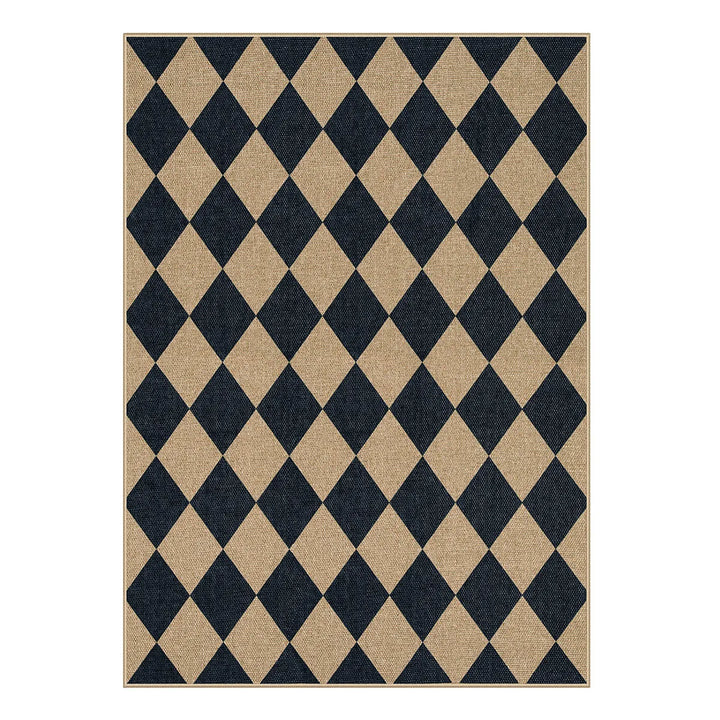
Aesthetically, today’s sustainable rugs rival their conventional counterparts in design range. Geometric patterns, coastal weaves, bold botanicals, and understated neutrals are all available in eco-certified options, so transforming your patio’s visual identity doesn’t require any stylistic sacrifice.
The cost-effectiveness argument is perhaps the most persuasive for budget-conscious shoppers. A durable, UV-stable, easy-care rug purchased once and maintained properly over five or more seasons costs significantly less per year than cycling through cheaper replacements annually. Add the elimination of chemical cleaning products and the reduced disposal burden, and the long-term financial case for investing in quality sustainable materials becomes straightforward and compelling.
Making the Switch to Sustainable Outdoor Rugs
Your patio has the potential to be more than an afterthought — it can be a genuine extension of the values you’ve built your home around. Sustainable outdoor rugs make that possible by combining responsible materials, proven durability, and practical ease into a single purchase that rewards you season after season. From understanding why recycled PET and natural fibers outperform conventional alternatives, to recognizing the importance of UV resistance and easy-care construction, to following a clear five-step selection process, you now have everything needed to make a confident, informed choice.
The next step is straightforward: measure your space, identify your sun exposure, check for third-party certifications, and find a design that genuinely excites you. Don’t settle for a rug that merely looks good on the surface — hold out for one that earns its place through material integrity, lasting performance, and alignment with the kind of home environment you want to maintain.
Every sustainable choice compounds over time. One well-made rug means fewer replacements, less waste, fewer chemicals near your family, and one more signal to manufacturers that eco-conscious standards matter. That’s a small action with a reach that extends well beyond your back door — toward a healthier home and a planet that benefits from the cumulative weight of intentional decisions made by people who care.