Unlock Professional Results with the Best-in-Class Tufting Gun
Textile art is experiencing a remarkable renaissance, with creators around the world transforming fiber and yarn into stunning visual masterpieces. Whether crafting custom rugs, intricate wall hangings, or bold textile sculptures, today’s artisans demand precision and efficiency in their work. At the heart of this creative revolution stands one essential tool: the tufting gun. But what is a tufting gun, exactly? This mechanized instrument has become the bridge between artistic vision and tangible reality, allowing makers to push yarn through fabric backing with speed and consistency that hand tools simply cannot match. Yet not all tufting guns deliver equal results. Choosing the right tool can mean the difference between professional-quality work and frustrating inconsistencies. This guide demystifies the tufting gun, exploring how it works and why features matter, empowering professionals to achieve superior results efficiently and transforming hours of tedious labor into streamlined creative expression that meets the exacting standards of commercial textile art.

What is a Tufting Gun? Demystifying the Tool for Modern Artisans
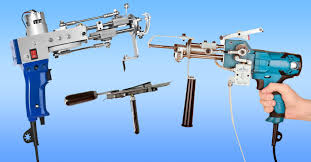
A tufting gun is a handheld, mechanized tool designed to push yarn or thread through a stretched backing fabric, creating textured surfaces with remarkable speed and uniformity. Unlike traditional hand-tufting methods that require punching individual strands through fabric with a needle, this powered device automates the process, allowing artisans to complete projects in a fraction of the time. The tool operates by feeding yarn through a hollow needle that rapidly penetrates the backing material, leaving loops or cut strands depending on the gun type. Two primary varieties exist: loop pile guns create uncut loops for a textured, dimensional surface, while cut pile guns incorporate a blade that automatically trims each tuft, producing a plush, carpet-like finish. Originally developed for industrial carpet manufacturing in the mid-20th century, tufting technology has evolved dramatically. What once required factory-scale machinery now fits comfortably in an artist’s hand. This democratization has sparked a creative movement, with makers using tufting guns to craft custom rugs that rival manufactured quality, produce striking wall hangings that add architectural interest to spaces, and construct three-dimensional textile sculptures that challenge traditional fiber art boundaries. The tufting gun has become indispensable for contemporary textile artists, bridging the gap between handcraft authenticity and production efficiency while opening new possibilities for creative expression in fiber media.

Why Tool Choice Matters: Meeting the Needs of Professional Artisans
Professional textile artists understand that their tools directly impact both the quality of their finished work and their ability to meet project deadlines. Using an inferior tufting gun introduces frustrating obstacles that compromise results. Inconsistent pile height creates uneven surfaces that appear amateurish, forcing artisans to spend additional hours correcting imperfections or, worse, starting over entirely. Frequent yarn breakage interrupts creative flow and wastes expensive materials, while weak motors struggle with denser yarns or prolonged use, stalling mid-project when deadlines loom. Beyond quality concerns, poorly designed tools exact a physical toll. Heavy, unbalanced guns strain wrists and shoulders during extended sessions, leading to fatigue that reduces precision and potentially causes repetitive stress injuries that threaten an artisan’s livelihood. Professional creators need tools that deliver unwavering reliability, ensuring every tuft penetrates consistently regardless of fabric density or yarn weight. Equally critical is ergonomic design that supports hours of comfortable use without compromising control or causing physical strain. These aren’t luxury preferences but essential requirements for artisans whose reputation and income depend on delivering flawless work efficiently. The right tufting gun transforms from a simple tool into a trusted partner, enabling professionals to focus on creative decisions rather than fighting equipment limitations, ultimately determining whether a maker can sustain a viable textile art practice.
Key Features of a Best-in-Class Tufting Gun
Reliability and Precision for Professional Projects
The foundation of any professional-grade tufting gun lies in its motor performance. A powerful, consistent motor maintains steady speed regardless of yarn thickness or fabric density, ensuring each tuft penetrates with identical force. This consistency eliminates the patchy, uneven surfaces that plague work done with underpowered tools. Equally important is adjustable pile height, a feature that transforms a single tool into a versatile instrument capable of executing diverse design visions. Whether creating low-profile geometric patterns or plush, high-pile textures within the same piece, artisans need seamless height adjustment that locks securely and doesn’t drift during use. Durable construction separates tools built for occasional hobbyist use from those engineered for daily professional demands. Premium tufting guns utilize metal components in high-stress areas rather than plastic parts prone to cracking, feature reinforced needle housings that withstand thousands of penetrations without loosening, and incorporate industrial-grade bearings that maintain smooth operation through years of intensive projects. These build quality elements directly translate to reliability that professionals can stake their reputation on, eliminating the anxiety of equipment failure when facing tight deadlines or working on commissioned pieces where mistakes carry financial consequences.

Ergonomic Design for Long-Term Comfort and Use
Physical comfort isn’t a luxury consideration but a practical necessity for artisans who spend hours guiding a tufting gun across large-scale projects. Lightweight construction reduces arm fatigue, allowing creators to maintain the steady, controlled movements essential for clean lines and uniform texture. A well-designed gun typically weighs under four pounds, light enough for extended use yet substantial enough to provide stability and control. Weight distribution matters equally—a tool that’s front-heavy or awkwardly balanced forces the user to constantly compensate, leading to wrist strain and reduced precision as fatigue sets in. The grip design directly impacts both comfort and control. Ergonomic handles contoured to fit natural hand positions reduce pressure points that cause numbness during long sessions, while textured surfaces prevent slipping without requiring a death grip that tenses forearm muscles. Low-vibration operation represents perhaps the most underappreciated ergonomic feature. Excessive vibration doesn’t just feel unpleasant; it transmits stress through the hand and wrist with every tuft, accumulating into genuine discomfort or injury over time. Premium tools incorporate vibration-dampening engineering that keeps the working experience smooth, allowing artisans to focus on their creative decisions rather than managing physical discomfort that threatens both their work quality and long-term ability to practice their craft.
The Advantage of Portable Tufting
Professional textile artists rarely work in a single static environment. A compact, thoughtfully designed tufting gun enables true workflow flexibility, allowing creators to move between their primary studio, client locations for custom installations, or workshop venues where they teach their craft. Portability begins with manageable size and weight that fits comfortably in a standard tool bag alongside yarn and backing materials, eliminating the need for dedicated transportation arrangements. Beyond physical dimensions, portable-friendly designs incorporate features like secure yarn threading systems that don’t require readjustment after transport and durable external housings that protect internal components from the bumps and shifts inevitable in mobile work. This mobility advantage extends a professional’s capabilities significantly. Artists can tuft directly at installation sites, making final adjustments based on actual lighting and spatial context rather than guessing in the studio. Workshop instructors can demonstrate techniques in various venues without logistical headaches. Even within a single studio space, a lightweight, unencumbered tool allows easy repositioning around large frame setups, accessing difficult angles without wrestling with cumbersome equipment. Portability transforms the tufting gun from a stationary workshop tool into a truly versatile creative instrument that adapts to the professional’s working reality rather than constraining it.
Unlocking Potential: Professional-Grade Performance in Practice
When evaluating professional tufting equipment, examining real-world performance reveals how engineering choices translate into practical advantages. Tools like the Clawlab tufting gun demonstrate the tangible benefits of industrial-grade construction, with motors that maintain unwavering speed whether working with delicate embroidery threads or thick wool yarns. This consistency eliminates the frustrating slowdowns that plague lesser tools when materials challenge their capabilities. Professional-grade pile height adjustment systems feature clearly marked settings with positive detents that lock firmly, allowing artisans to switch between textures mid-project with confidence that settings won’t drift during vigorous tufting motions. Intuitive control placement—with adjustments falling naturally under the thumb—distinguishes genuinely easy-to-use tools from those requiring users to stop work and fumble with awkward mechanisms. Construction quality matters significantly in professional settings, with reinforced aluminum bodies that withstand daily use while keeping overall weight manageable for extended sessions. Ergonomic refinements like contoured grips and balanced weight distribution mean artisans can complete large commissioned pieces without the wrist fatigue that forces breaks and extends timelines. For professionals evaluating their equipment investment, best-in-class performance stems from engineering that respects the realities of professional textile work, transforming challenging projects from tests of endurance into opportunities for creative excellence.
Practical Guide: Getting Started with Your Professional Tufting Gun
Step-by-Step Setup and First Use
Begin by threading your yarn through the gun’s feed system, following the path indicated in your tool’s manual—typically through tension guides and into the needle shaft. Ensure the yarn moves smoothly without catching or creating excess tension that could cause breakage. Next, adjust the pile height setting to your desired length, starting with a medium setting around half an inch for initial practice. Secure your backing fabric tightly on a tufting frame, ensuring it’s drum-tight without sagging, as loose fabric prevents clean penetration and creates inconsistent results. Before starting your actual project, spend fifteen minutes practicing on scrap fabric stretched on a small frame. Hold the gun perpendicular to the backing surface and maintain steady forward motion at a walking pace—moving too slowly creates overly dense tufts while rushing leaves gaps. Apply gentle, consistent pressure, letting the motor do the work rather than forcing the needle through. Practice creating straight lines, curves, and corners, observing how your hand speed affects tuft spacing. This preliminary work builds muscle memory for the controlled, even movements that distinguish professional results from amateur attempts.
Pro Tips for Maintaining Best-in-Class Performance
After each substantial tufting session, remove accumulated lint and fiber debris from around the needle area using compressed air or a small brush, as buildup restricts needle movement and causes jamming. Every twenty hours of use, apply a drop of sewing machine oil to the needle shaft and any exposed moving parts specified in your manual, wiping away excess to prevent attracting dust. Inspect the needle regularly for burrs or bending that can snag yarn, replacing it immediately if damage appears—a bent needle creates irregular tufts and risks tearing your backing fabric. Store your tufting gun in a protective case away from dust and moisture, with the yarn removed to prevent tension on the feed mechanism during storage periods. Keep spare needles, scissors, and basic tools in your kit for quick field repairs. Schedule a thorough deep cleaning monthly if you use the tool professionally, disassembling accessible components to remove hidden debris. This consistent maintenance routine preserves the precision and reliability that define professional-grade performance, protecting your equipment investment while ensuring every project benefits from optimal tool function.
Elevating Your Textile Art Practice
Understanding what a tufting gun is and how it functions forms the essential foundation for any textile artist seeking to elevate their craft. This mechanized tool has transformed fiber art from a painstaking manual process into an efficient, precision-driven practice capable of producing professional-quality results. For serious artisans whose reputation and livelihood depend on consistent excellence, investing in a tool with best-in-class performance is not optional—it’s fundamental. The right tufting gun delivers unwavering reliability that eliminates mid-project failures, ergonomic design that supports sustainable long-term practice without physical strain, and precision engineering that ensures every tuft meets exacting standards. Your tool choice ultimately determines whether you’re fighting equipment limitations or channeling creative energy into artistic vision. With the right tufting gun in hand, textile artists unlock their full potential, transforming ambitious designs into stunning reality while building a sustainable practice that honors both craft tradition and contemporary innovation. The journey from yarn to masterpiece begins with choosing a tool worthy of your professional aspirations.