
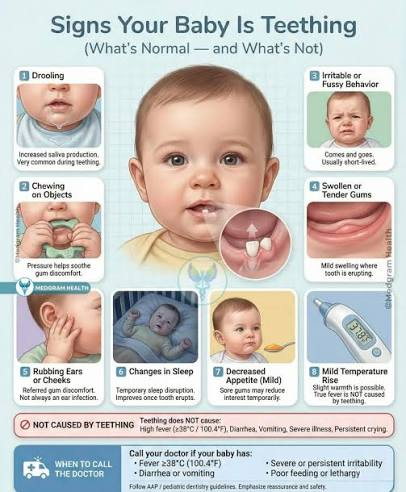
4 Signs Eruption Discomfort May Be More Than Normal Teething
You might be feeling that uneasy mix of worry and hope that comes with a fussy child who just does not seem like themselves. One minute, it looks like ordinary teething. The next, you are noticing crying that feels more intense, sleep that is suddenly worse, or a sore spot in the mouth that makes you pause. That tension is real, because while teething can cause mild discomfort, some symptoms point to something more than a tooth coming in, and it may be time to contact an emergency pediatric dentist in West Covina.
The short version is simple. Mild gum tenderness, drooling, and a desire to chew are common. But if your child has a high fever, swelling that looks severe, trouble eating or drinking, or symptoms that linger without improving, it may be time to call a pediatric dentist. If you want a helpful overview of normal teething symptoms and home care, that can give you a good starting point. Still, knowing when to look closer can spare your child more pain and help you act sooner.
When does teething pain stop being normal, and why is it so hard to tell?
Part of the problem is that teething often gets blamed for almost everything. A cranky mood, more drool, poor sleep, chewing on fingers, and tender gums can all fit. Because of that, it is easy to dismiss signs that deserve more attention. You do not want to overreact, but you also do not want to miss an infection, injury, or cavity that needs care.
Normal teething usually causes mild, short lived discomfort. Your child may want extra comfort, cold washcloths, or safe teething toys. What teething does not usually cause is severe illness. If your child seems truly miserable, has symptoms that are getting worse instead of better, or cannot settle even with comfort measures, it is reasonable to wonder if this is more than simple tooth eruption pain.
So, what should make you look twice?
What are the 4 signs eruption discomfort may be more than normal teething?
1. A fever that is high or does not go away. Teething may slightly raise a child’s temperature, but it should not cause a true high fever. If your child has a fever above 100.4°F, especially if it lasts or comes with lethargy, cough, vomiting, or diarrhea, another illness may be going on. It is easy to connect the timing to a new tooth, but the real cause may be a virus or infection that needs attention.
2. Swelling, redness, or a bump that looks pronounced. A little gum irritation can happen when a tooth is coming through. But noticeable swelling, pus, a dark bruise like spot, or a pimple on the gums can point to infection, an eruption cyst, or trauma. If one area of the mouth looks much more inflamed than the rest, trust what you are seeing.
3. Refusing food or drink because the mouth seems too painful. Teething can make chewing uncomfortable, but most children still drink fluids and take in enough to stay hydrated. If your child pulls away from the bottle, breast, cup, or spoon again and again, cries when anything touches the mouth, or has fewer wet diapers, that is a stronger sign that something else may be wrong.
4. Symptoms that last too long or come with visible tooth changes. Ordinary teething tends to ebb and flow. If your child has pain for days without relief, wakes often from mouth pain, or you notice spots, holes, discoloration, or broken areas on a tooth, think beyond teething. Early decay is common in children, and the CDC explains how cavities and tooth decay can affect children even when baby teeth are still small and new.
Could it be teething, or should you think about a pediatric dentist visit?
This is where many parents get stuck. You do not want to rush in for every rough night, but waiting too long can make a small problem harder to treat. A child with a gum infection, mouth injury, or early cavity may not be able to explain what hurts. All you see is the fallout. More tears, less sleep, and meals that turn into battles.
Signs of abnormal teething symptoms often show up as intensity, duration, or visible change. In other words, the discomfort feels bigger than you would expect, lasts longer than it should, or looks different from mild gum irritation. If your child has bad breath that starts suddenly, bleeding gums without clear cause, one sided swelling, or pain focused on one tooth, those details matter.
Children also benefit from early dental care before a problem becomes urgent. The MedlinePlus page on children’s dental health explains why regular guidance and prevention matter, even in the early years. Sometimes peace of mind is part of the value. If a professional confirms it is normal, you can stop second guessing every whimper.
How can you compare normal teething with warning signs that need more attention?
| What You Notice | More Likely Normal Teething | May Need a Pediatric Dentist or Doctor |
|---|---|---|
| Temperature | Mild warmth, child still alert | High fever or fever that lasts |
| Gums | Mild tenderness, slight redness | Marked swelling, pus, dark cyst, bleeding |
| Eating and drinking | Some fussiness, still taking fluids | Refuses fluids, cries with feeding, fewer wet diapers |
| Pain pattern | Comes and goes, soothed by chewing or cuddling | Persistent pain, worsening discomfort, poor sleep for days |
| Teeth appearance | Tooth emerging through gum | White, brown, or black spots, chips, holes |
What can you do right now if you think this is more than normal teething?
1. Look for patterns, not just one bad moment. Check when the discomfort started, whether it is getting worse, and whether your child can still drink, sleep, and be comforted. A quick note on your phone can help you spot patterns you might miss in the middle of a long day.
2. Do a gentle mouth check. Wash your hands, then look for swelling, a sore, a bump, or tooth changes. You are not trying to diagnose everything. You are simply gathering useful details. This is often how parents notice when teething is not normal.
3. Reach out sooner if red flags are present. Call a doctor for high fever, dehydration, trouble breathing, or severe lethargy. Call a pediatric dentist if the issue seems centered in the mouth, teeth, or gums, especially if you see swelling, discoloration, or signs of decay. Early support can mean less pain and a simpler fix.
Where does that leave you if your child is miserable and you are unsure?
You do not need to ignore your instincts to prove you are calm, and you do not need to panic to be a good parent. Most teething is manageable, but some mouth pain has another cause, and noticing the difference matters. If your child has any of these four signs, it is worth taking a closer look. A trusted pediatric dentist can help sort out whether this is routine tooth eruption discomfort or something that needs treatment, so your child can get relief and you can breathe a little easier.