
How to Choose the Best Heated Gaming Chair for Ergonomic Comfort
After a four-hour gaming session, that familiar ache creeping up your lower back is not just discomfort — it’s your body signaling that something needs to change. Millions of gamers push through neck stiffness, shoulder tension, and spinal strain every day, often dismissing these warning signs until they become chronic problems that affect both health and in-game performance.
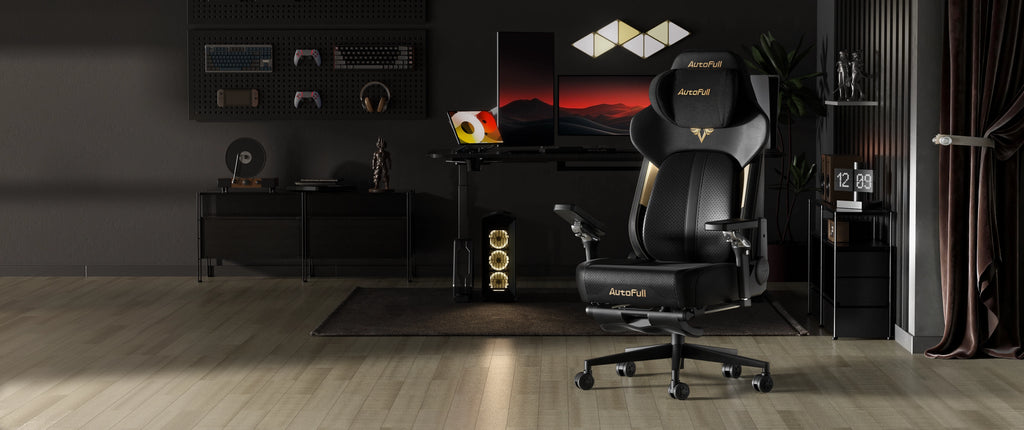
Heated gaming chairs have emerged as a genuinely innovative answer to this widespread issue. By combining ergonomic structural design with therapeutic warmth, these chairs address muscle tension and postural strain simultaneously — something a standard office chair simply cannot do. The heat penetrates deep into muscle tissue, reducing stiffness during those marathon sessions while the ergonomic framework keeps your spine properly aligned throughout.
The real challenge, however, is knowing which chair is actually worth your investment. The market is flooded with options that promise premium comfort but deliver very little. This guide cuts through the noise by walking you through the essential ergonomic principles, the features that genuinely matter, a closer look at a standout model, and a practical step-by-step selection process — giving you everything you need to make a confident, well-informed decision.
Why Ergonomics Are Essential for Gamers
Extended gaming sessions place your body under a surprising amount of physical stress. Holding a fixed posture for hours compresses spinal discs, tightens hip flexors, and strains the muscles supporting your neck and shoulders. Over time, these repeated stress patterns don’t just cause discomfort — they contribute to chronic conditions like herniated discs, carpal tunnel syndrome, and persistent postural imbalances that affect daily life well beyond the gaming chair.

Ergonomic design directly counters these risks by aligning the chair’s structure with your body’s natural biomechanics. A properly designed gaming chair maintains the spine’s natural S-curve, distributes your body weight evenly across the seat, and positions your arms at an angle that reduces shoulder tension. The result is less fatigue, sharper focus, and measurably better reaction times — all of which translate into stronger in-game performance.
Heated features add another layer of benefit that pure ergonomic structure alone cannot provide. Warmth increases blood circulation in muscle tissue, reduces stiffness that builds during sedentary play, and accelerates recovery between sessions. For gamers who already experience lower back tension or tight shoulders, targeted heat transforms a supportive chair into an active therapeutic tool. Understanding these core ergonomic principles — spinal alignment, weight distribution, and muscular support — gives you the foundation to evaluate any heated gaming chair with genuine confidence.
Key Features to Look for in a Heated Gaming Chair
Choosing the right heated gaming chair means looking beyond flashy aesthetics and focusing on features that genuinely support your body during long sessions. The best options combine therapeutic heat with solid ergonomic design — but not all chairs deliver both effectively. Knowing what to prioritize before you buy saves you from costly disappointment.
Heating Technology and Safety
Carbon fiber heating elements are widely regarded as the gold standard in gaming chair warmth. They heat evenly across the lumbar and seat areas, penetrate deeper into muscle tissue than basic coil-based systems, and maintain consistent temperature without creating hot spots. When evaluating any heated gaming chair, look for adjustable heat settings so you can dial in the right level of warmth for your session. Safety features are non-negotiable — an auto-shutoff timer that activates after 30 to 60 minutes prevents overheating and protects both the chair and the user during long play sessions.
Adjustability and Customization
A chair that cannot adapt to your body is just expensive furniture. Seat height adjustment ensures your feet rest flat on the floor with your knees at roughly 90 degrees. Recline functionality — ideally ranging from upright to around 135 degrees — lets you shift posture during breaks without leaving the chair. Four-dimensional armrests that move forward, backward, inward, and outward are particularly valuable, as they allow your arms to rest naturally and reduce the shoulder tension that accumulates over hours of play.
Material and Build Quality
The materials wrapping a gaming chair determine both its comfort ceiling and its lifespan. High-density cold-cure foam retains its shape far longer than standard foam, preventing that flattened, unsupportive feel that cheaper chairs develop within months. PU leather remains the most popular surface choice for its durability and easy cleaning, though breathable mesh panels on the backrest can significantly reduce heat buildup during extended sessions — an important consideration when the chair’s own heating system is also generating warmth. A sturdy steel frame with a weight capacity that comfortably exceeds your own body weight ensures the structure remains stable and safe for years of daily use.
Deep Dive into Lumbar Support and Massage Functions
Lower back pain is the single most common complaint among dedicated gamers, and it’s precisely where lumbar support and massage functions earn their value. The lumbar region — the inward curve of your lower spine — loses its natural shape when you slouch forward during intense gameplay, placing disproportionate pressure on spinal discs and surrounding muscles. A well-designed lumbar support system counteracts this by gently pushing the lower back forward, restoring the spine’s natural curvature and redistributing pressure more evenly across the entire back.
Adjustable lumbar support is significantly more effective than fixed alternatives. Fixed lumbar pillows are built to fit an average body, which means they often miss the mark entirely for anyone taller, shorter, or differently proportioned. Adjustable systems — whether height-adjustable external pillows or built-in mechanisms with depth control — let you position the support exactly where your spine needs it most. Some higher-end chairs combine this with integrated massage motors that target the lumbar zone directly, using rhythmic vibration to increase local blood flow, break up muscle tension, and reduce the stiffness that accumulates during hours of sedentary play.
When paired with a heating system, lumbar massage becomes particularly effective. Heat loosens the muscle tissue first, making it more receptive to the massage’s deeper effects — a combination that passive ergonomic structure alone simply cannot replicate. For gamers who regularly experience lower back tightness or recover from previous injuries, this dual-function approach offers meaningful, session-by-session relief rather than just structural support.
Spotlight on AutoFull G7: A Benchmark in Ergonomic Design
Among the growing field of heated gaming chairs, the AutoFull G7 stands out as a genuinely well-rounded option that delivers on its ergonomic promises. Its carbon fiber heating system covers both the lumbar and seat zones, providing consistent, penetrating warmth that activates within minutes — a meaningful advantage during cold-weather sessions or for gamers dealing with chronic muscle tightness. The built-in auto-shutoff function adds a practical safety layer, cutting power after a set interval so you can focus entirely on gameplay without monitoring the heat level manually.
What separates the G7 from many competitors is how its heating system integrates with a purpose-built ergonomic frame. The chair features an adjustable lumbar support mechanism with both height and depth control, meaning it can accommodate a wide range of body types without forcing users to settle for a one-size-fits-all fit. The backrest reclines to approximately 135 degrees, and the 4D armrests offer enough range of movement to reduce shoulder strain across different gaming setups and desk configurations.
User feedback consistently highlights two advantages: the noticeable reduction in lower back stiffness during long sessions and the chair’s build durability over months of daily use. The high-density foam maintains its support without compressing flat, and the PU leather surface resists wear while remaining easy to wipe down. For gamers seeking a chair that combines therapeutic heat with genuine structural ergonomics rather than just marketing language, the AutoFull G7 represents a credible benchmark worth measuring other options against.
Step-by-Step Guide to Choosing Your Ideal Heated Gaming Chair
Finding the right heated gaming chair is less about chasing the most expensive option and more about systematically matching a chair’s capabilities to your specific needs. A structured approach prevents impulse purchases and ensures the chair you buy actually solves the problems you experience during play.
Assess Your Gaming Habits and Comfort Requirements
Start by honestly evaluating how you game. If your sessions regularly exceed three hours, lumbar support and heating become priorities rather than bonuses. Identify your specific pain points — lower back tightness, shoulder strain, or neck stiffness each point toward different feature requirements. Gamers with existing back issues should prioritize adjustable lumbar depth and integrated heat, while those focused on posture prevention may weight adjustability higher. Set a realistic budget that reflects the features you genuinely need, keeping in mind that mid-range chairs with solid ergonomic credentials often outperform expensive options that prioritize aesthetics over function.
Research and Compare Models Based on Features
Once you know what your body needs, compare chairs systematically across four criteria: heating coverage and safety features, lumbar adjustability, recline range, and build quality. Read verified user reviews specifically from people who game for similar durations — their long-term feedback on foam compression and heating consistency is far more reliable than manufacturer claims. Brands like AutoFull have built credibility around ergonomic gaming chairs, making them a useful reference point when evaluating competitors. Cross-reference multiple sources rather than relying on a single review site.
Test and Validate Before Purchase
If a showroom or retailer stocks the model you’re considering, sit in it for at least ten minutes and actively test the lumbar adjustment, armrest range, and recline mechanism. For online purchases, prioritize sellers offering at least a 30-day return window — a chair that feels adequate in photos may reveal fit problems after a full gaming session. Confirm that the heating system’s warranty covers the electrical components separately from the frame, as heating elements carry different failure risks than structural parts. A clear return and warranty policy is itself a signal of a manufacturer’s confidence in their product’s quality.
Maintaining Your Heated Gaming Chair for Long-Term Comfort
Protecting your investment starts with routine care. Wipe down PU leather surfaces weekly with a damp microfiber cloth to prevent grime buildup that degrades the material over time. For the heating elements, avoid folding or pinching the wiring when adjusting the chair, and always allow the system to cool completely before cleaning the seat surface above it. Check lumbar adjustment mechanisms monthly for loosening, and tighten any bolts in the base and armrests every few months to maintain structural stability. Keeping the chair away from direct sunlight slows material fading and preserves foam density — small habits that significantly extend both the chair’s comfort and its functional lifespan.
Invest Smart: Key Principles for Choosing Ergonomic Heated Gaming Chairs
Choosing the right heated gaming chair is ultimately an investment in both your health and your performance. As this guide has shown, the best options go far beyond surface-level comfort — they combine therapeutic heat with genuine ergonomic structure, adjustable lumbar support, quality materials, and safety features that work together to protect your body during the sessions that matter most.
The core takeaways are straightforward: prioritize carbon fiber heating with auto-shutoff, demand adjustable lumbar support rather than settling for fixed alternatives, and evaluate build quality through foam density and frame durability rather than aesthetics alone. A systematic selection process — assessing your specific pain points, comparing models honestly, and validating your choice through reviews and return policies — will consistently outperform impulse decisions.
For gamers ready to act on these principles, the AutoFull G7 serves as a reliable benchmark. Its integration of targeted heat, adjustable ergonomic support, and durable construction addresses the real demands of extended play rather than simply checking marketing boxes. Whatever model you ultimately choose, prioritizing genuine ergonomic comfort over price or appearance will pay dividends in reduced discomfort, sharper focus, and a gaming setup that supports you for years to come.